


The Lighthouse of Alexandria on coins
Héloïse Aumaître
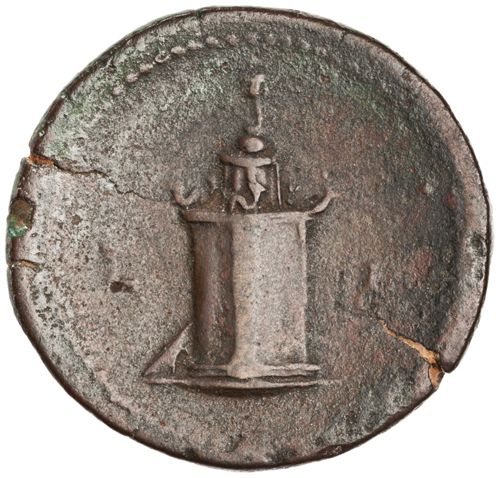
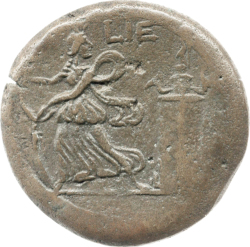
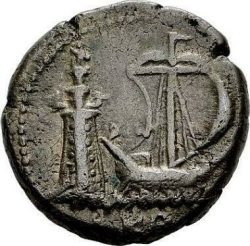
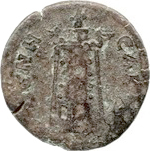
Figure 1. De gauche à droite : AE, Domitien (© New-York, American Numismatic Society, 1944.100.53950) ; AE, Trajan (© Londres, British Museum, 1845,1217.109) ; Billon, Commode (© Paris, Bibliothèque nationale de France)
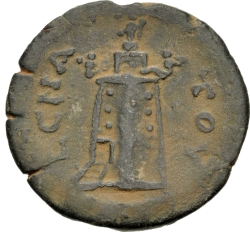
The Lighthouse, an emblematic building of Alexandria, was depicted on coins issued by the city during the Roman period for nearly a century. The engravers of the city’s mint, who in all likelihood had the monument before their eyes, have thus left a precious visual testimony of its ancient appearance, allowing us to highlight the permanences and variabilities in the representation of the monument.
Coins with the Lighthouse
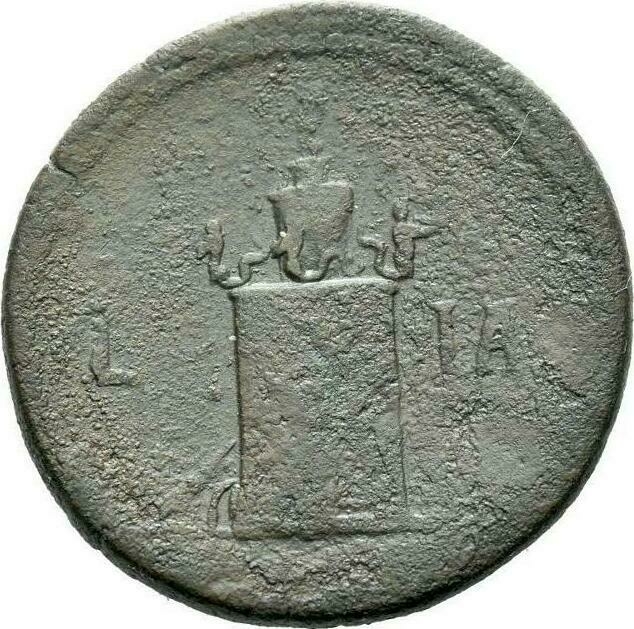
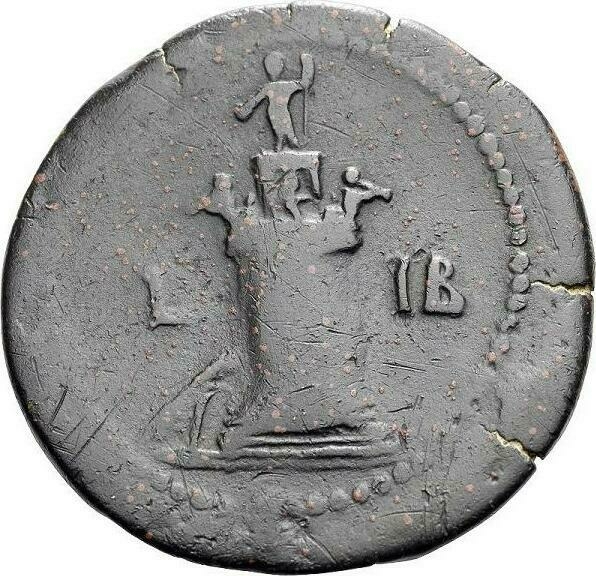
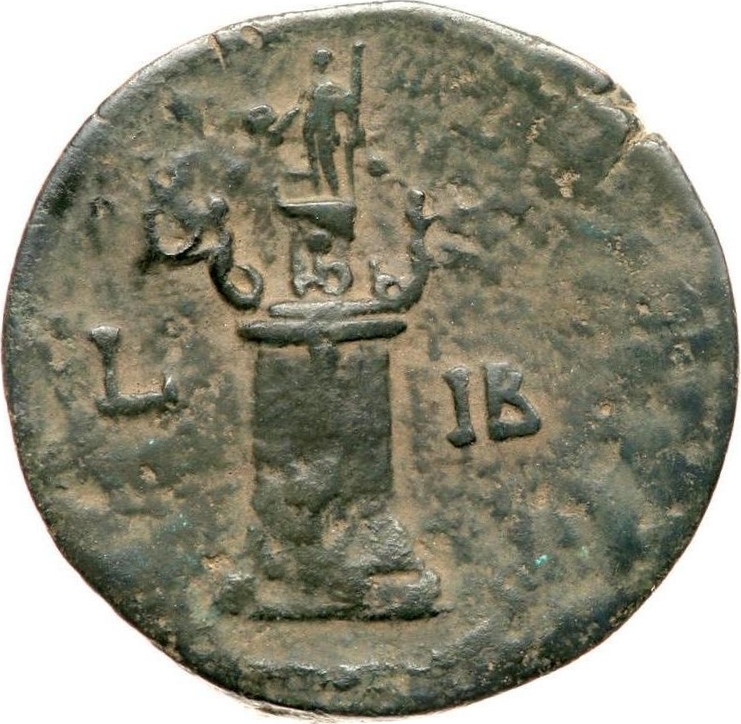
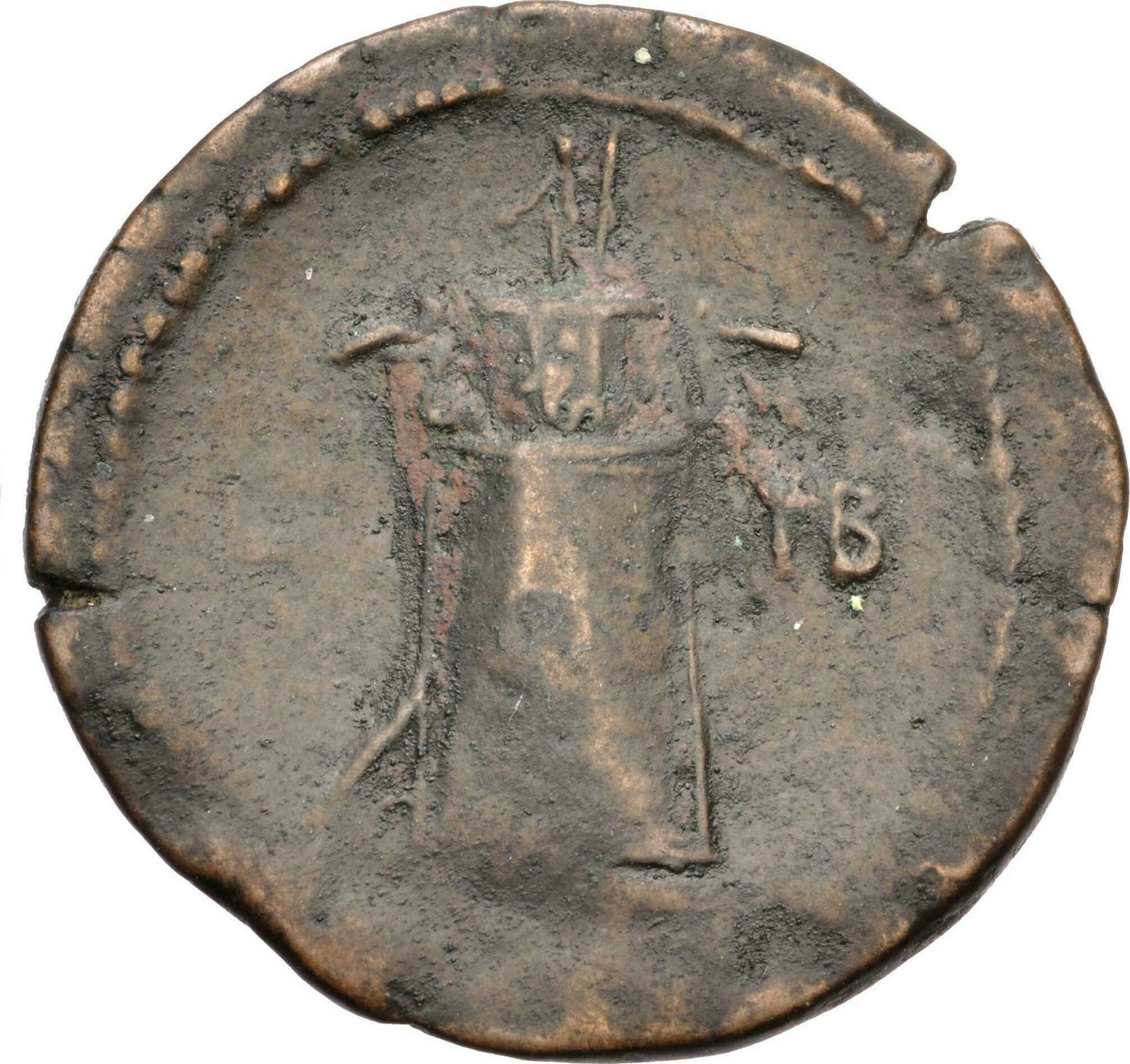
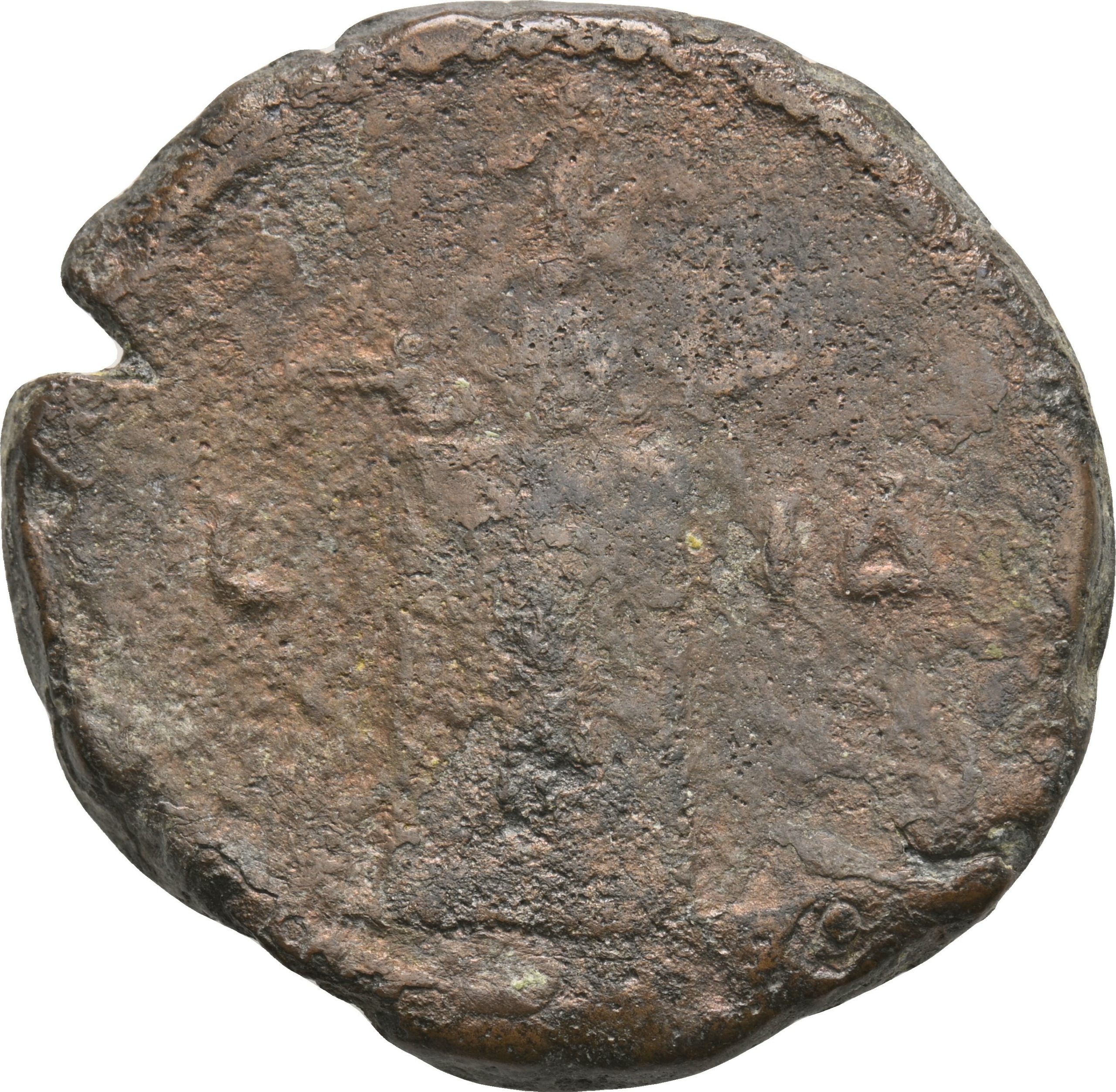
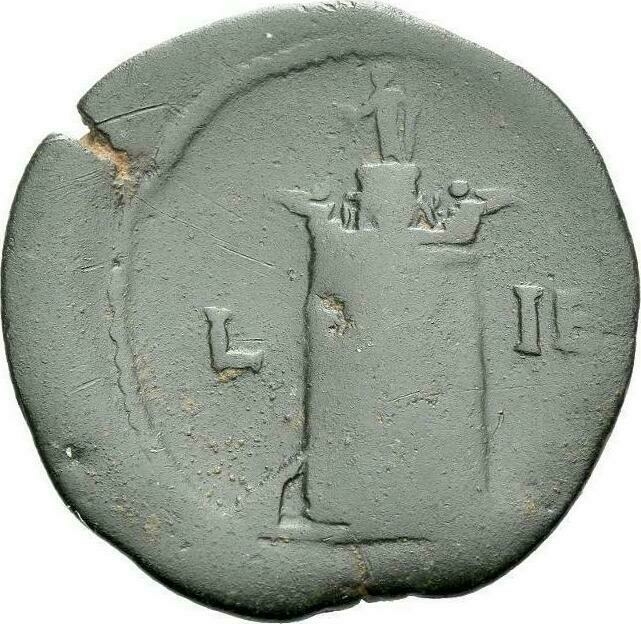
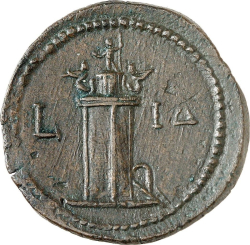
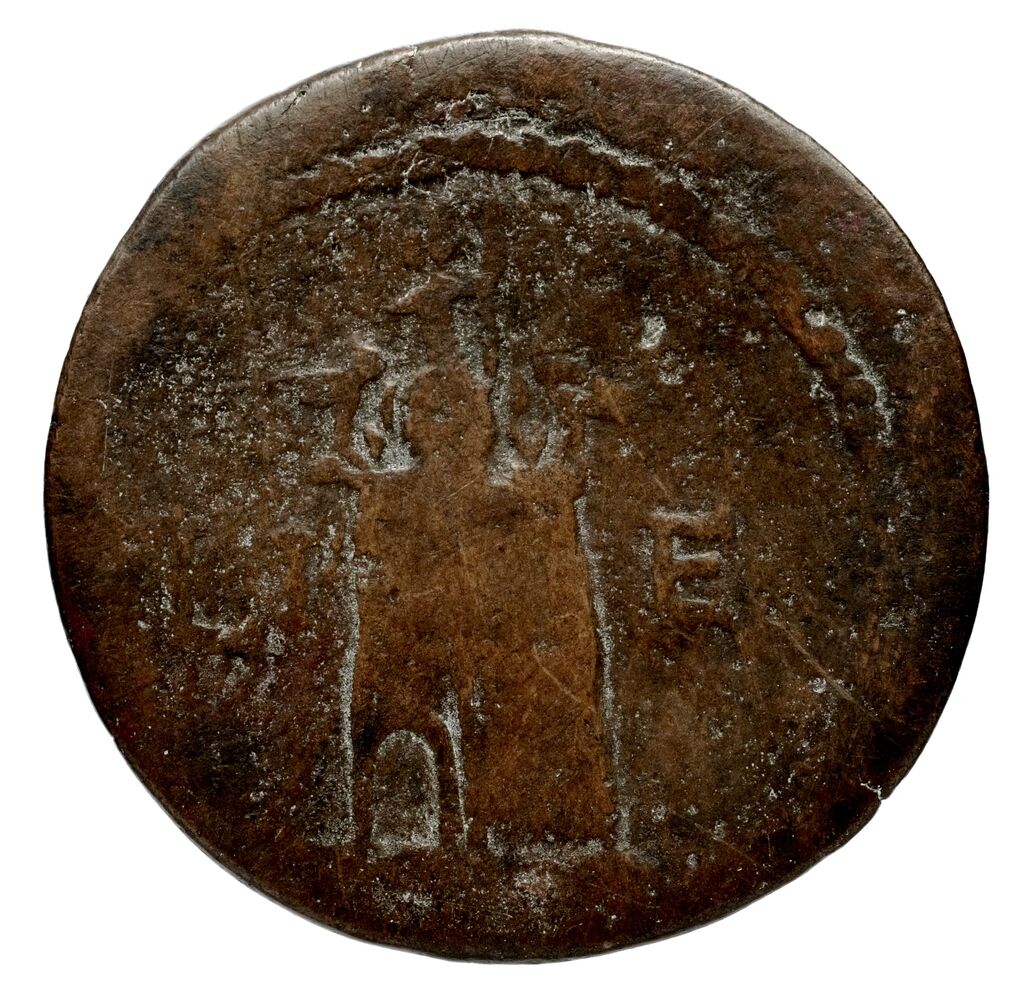
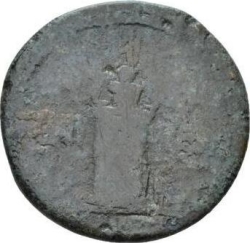
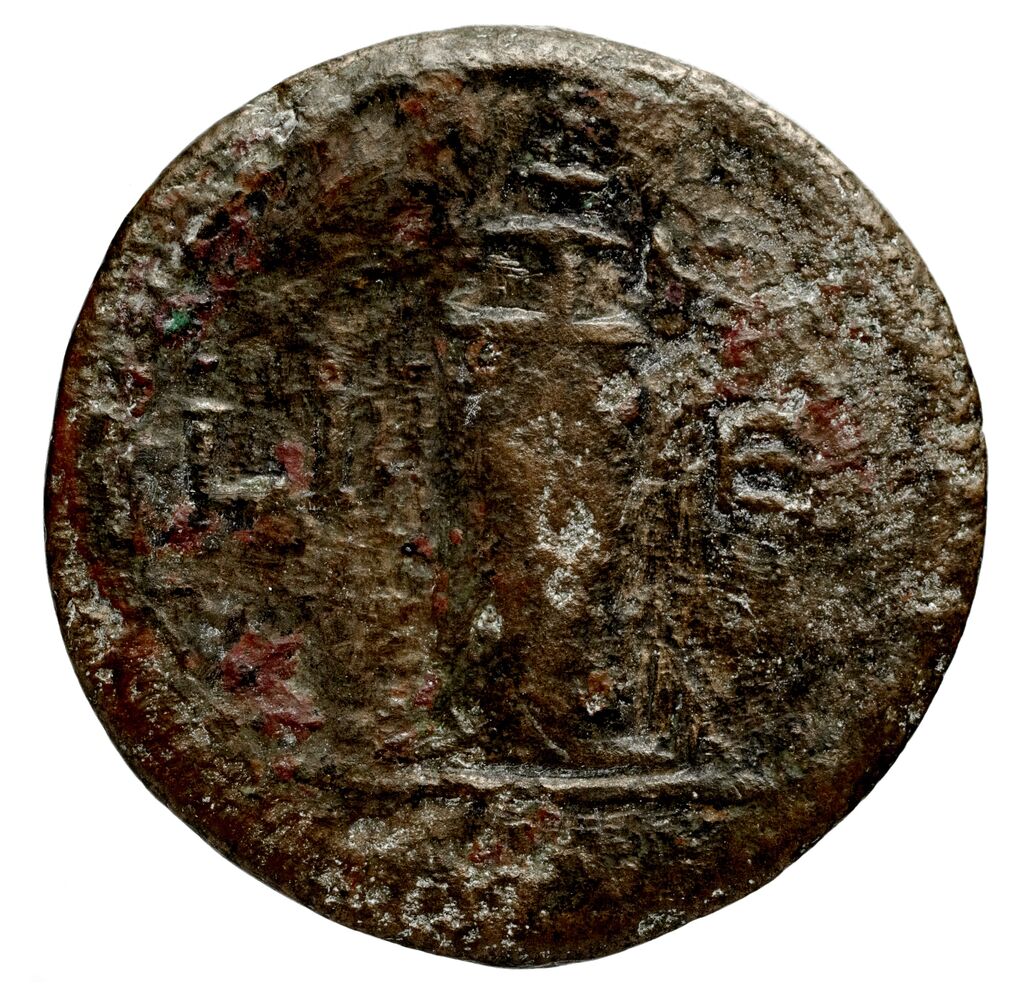
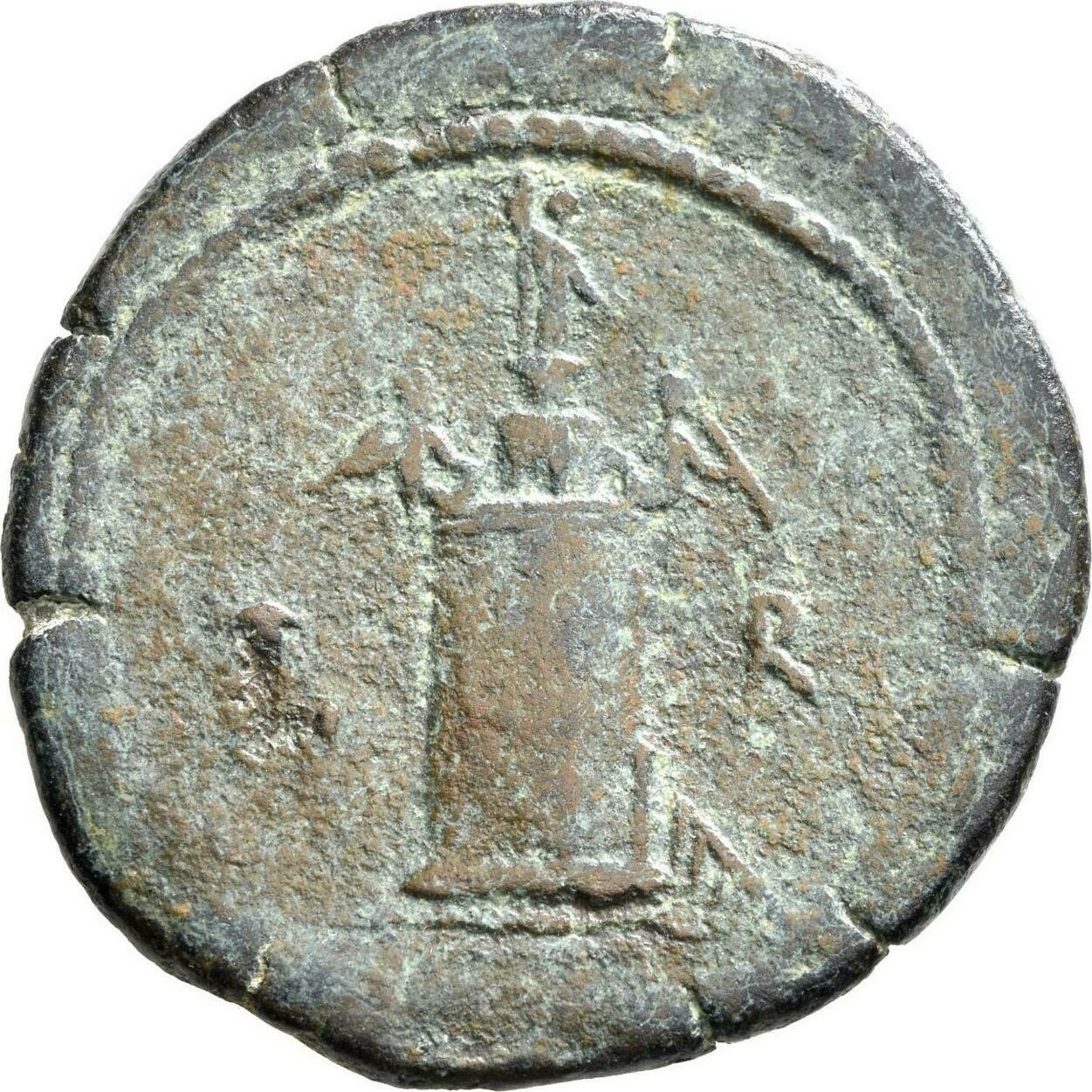
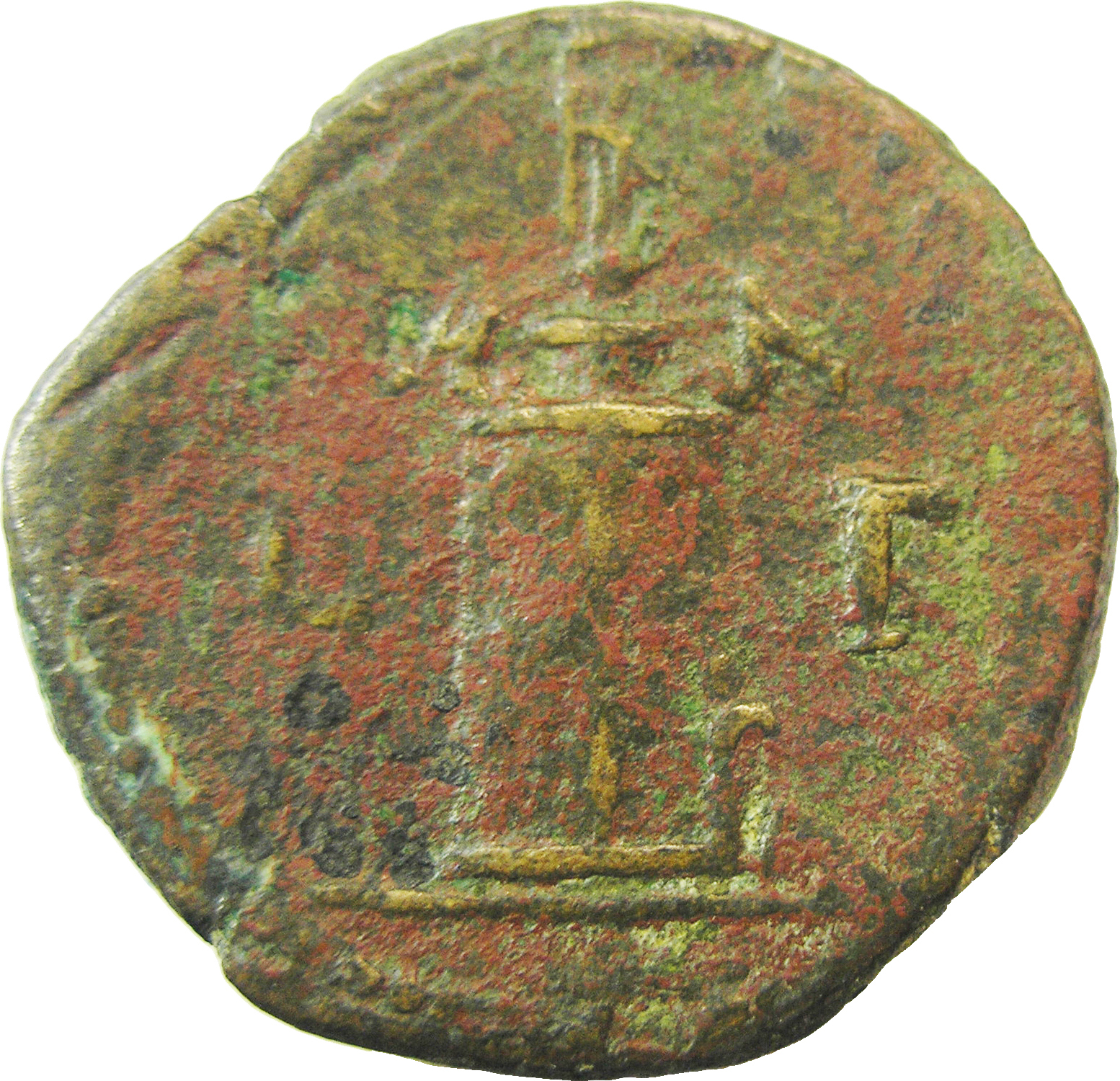
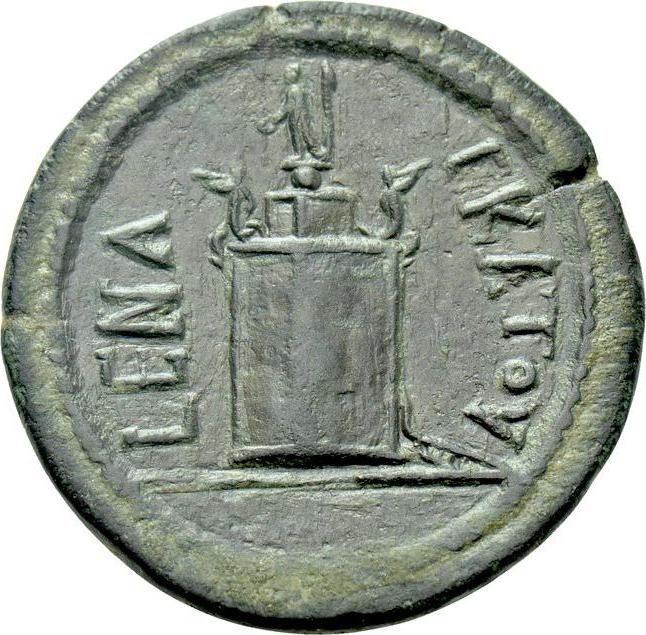
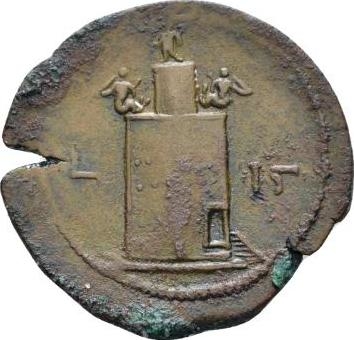
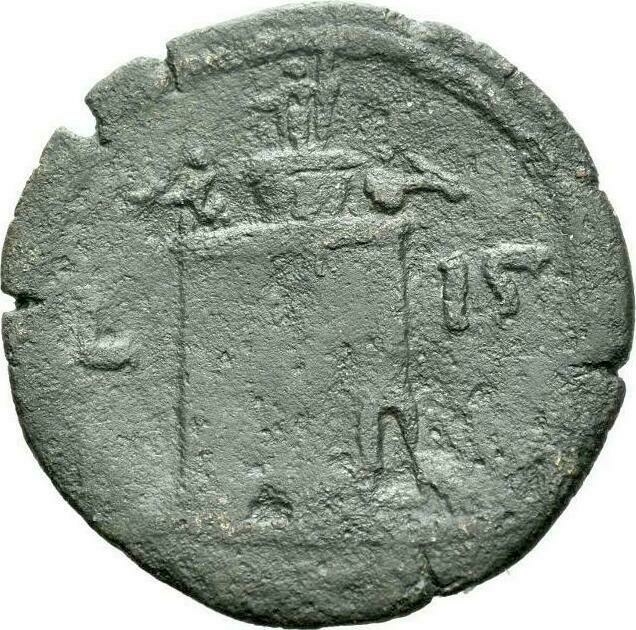
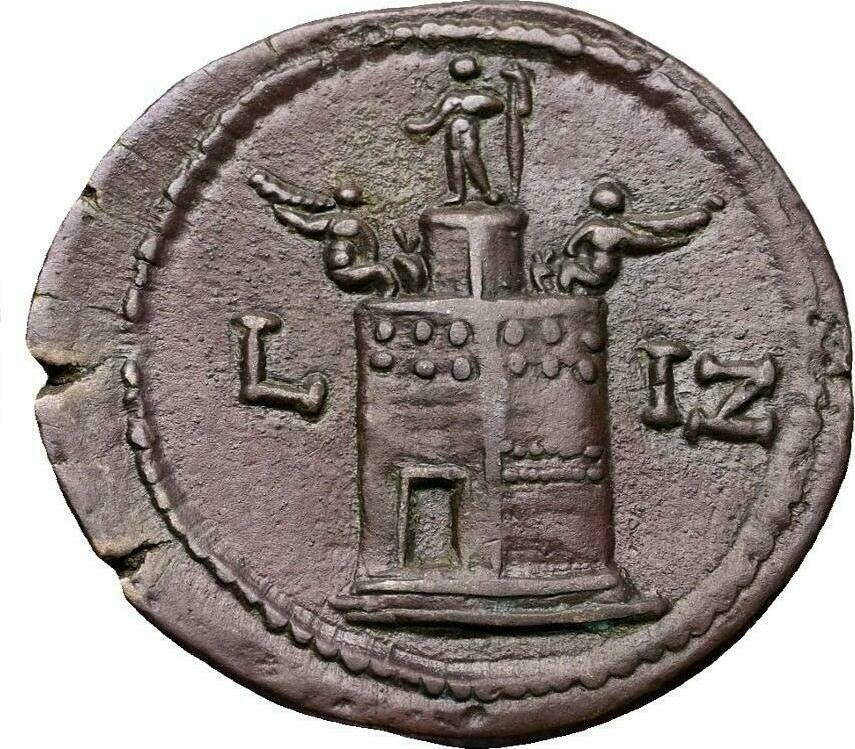
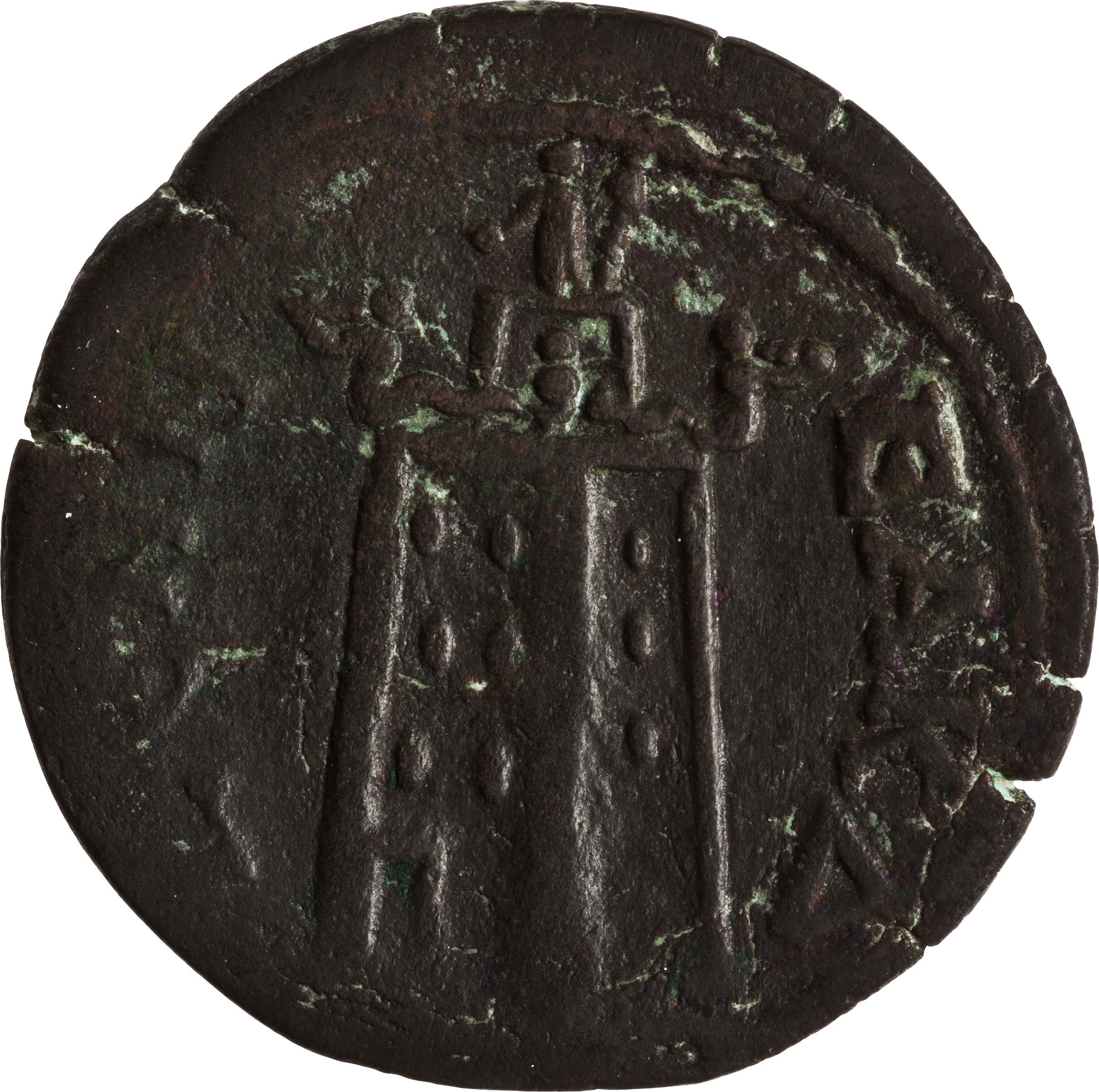
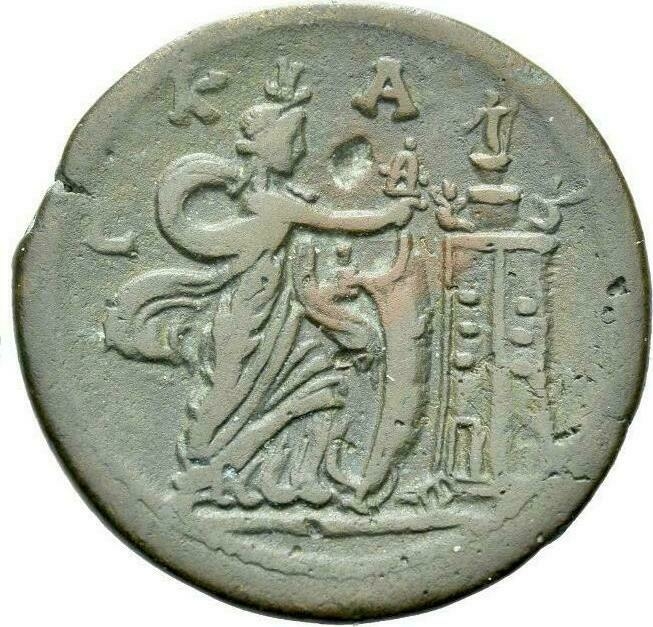
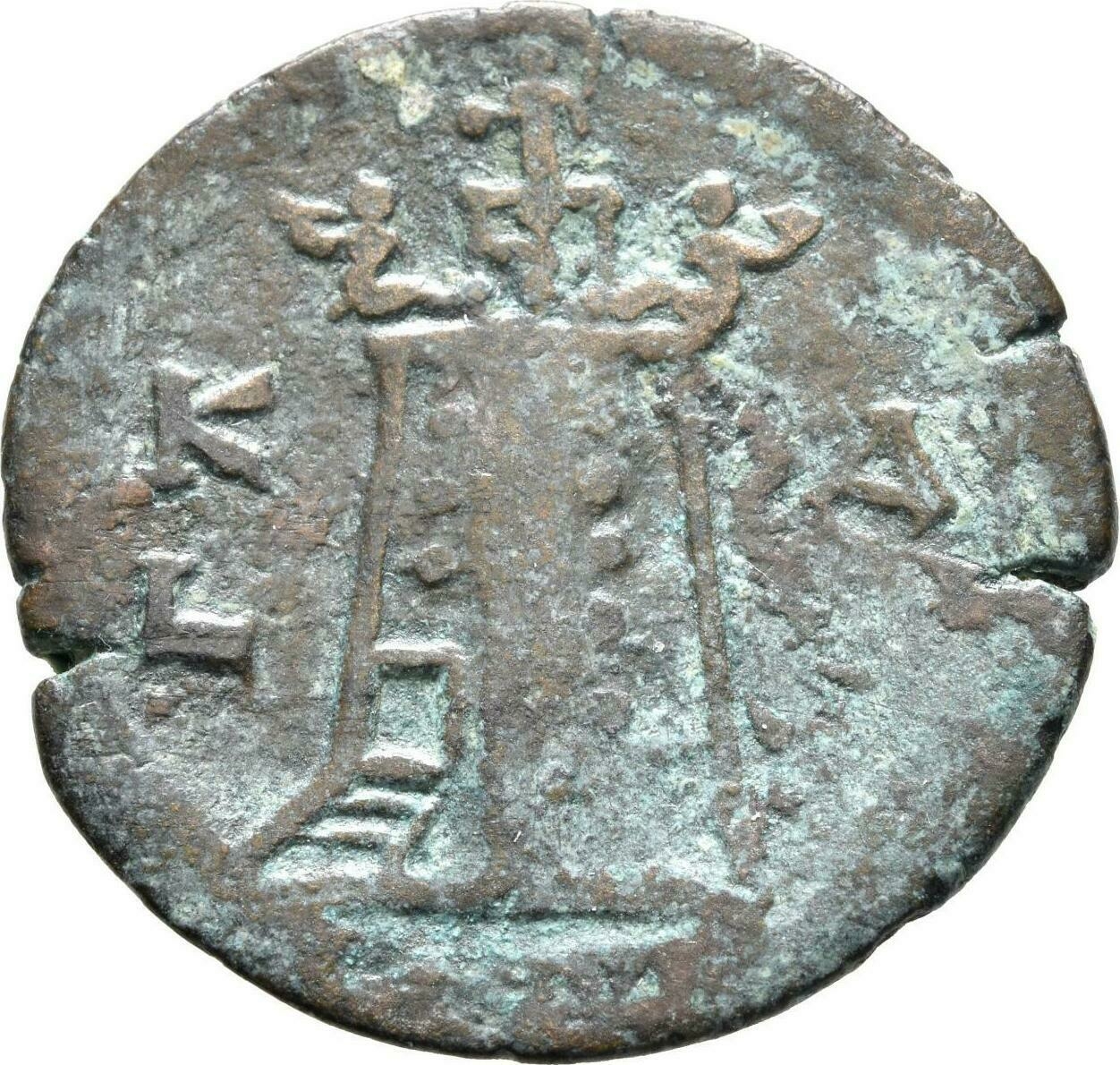
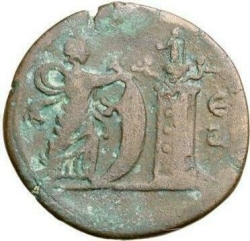
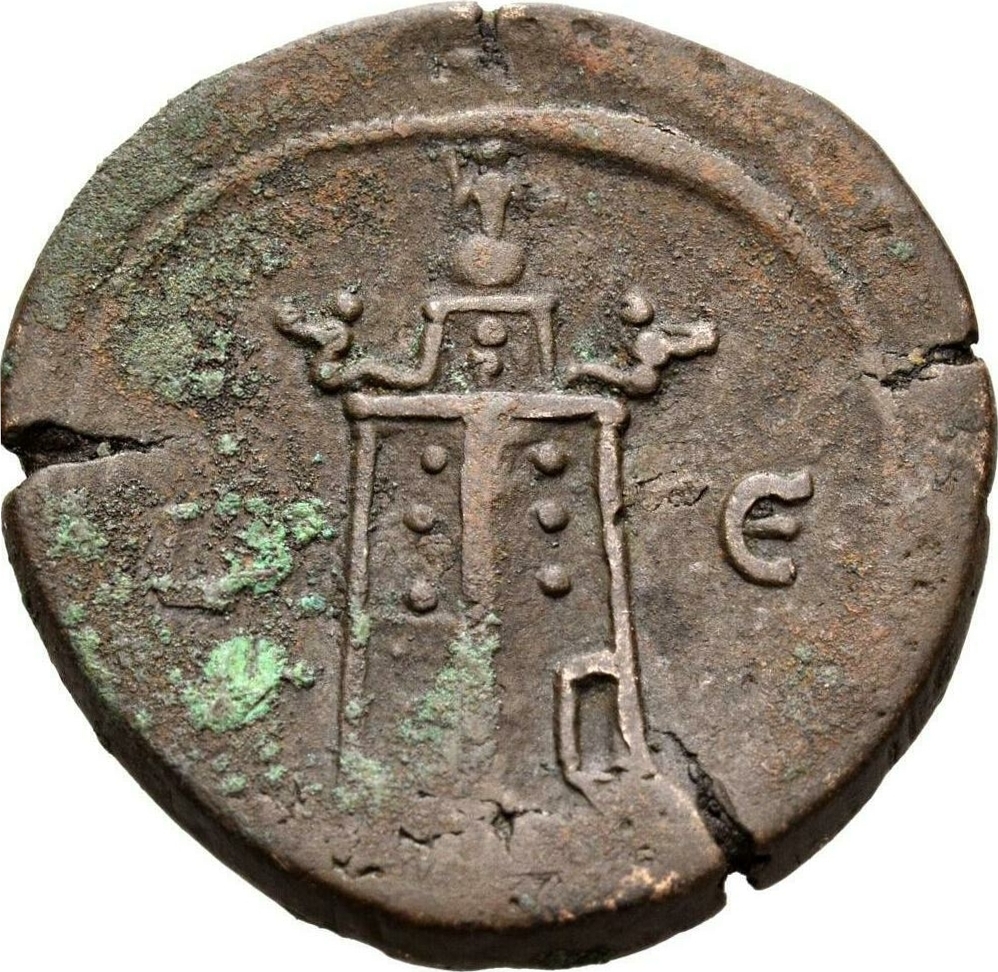
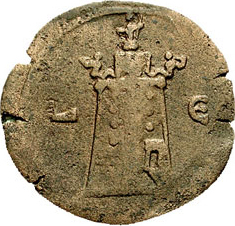
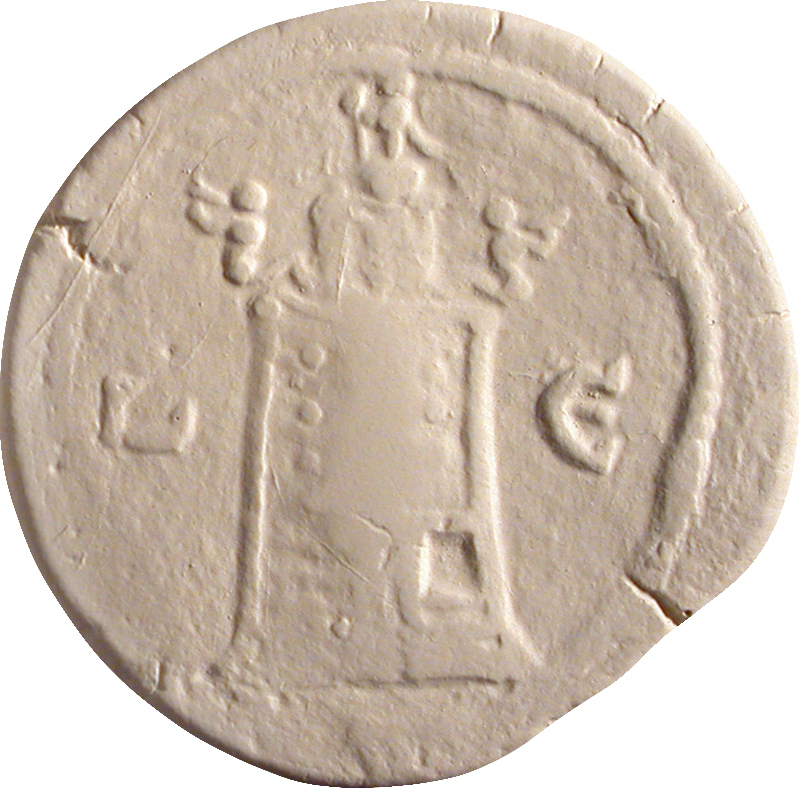
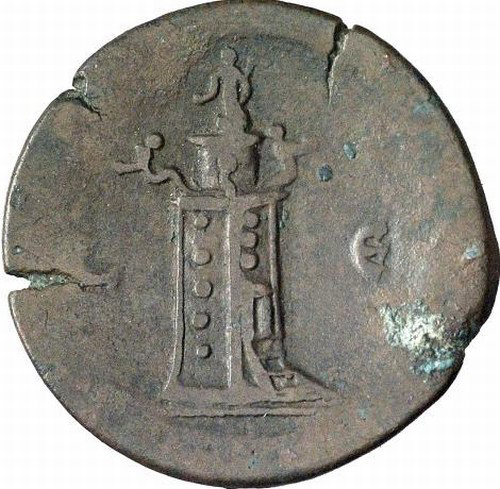
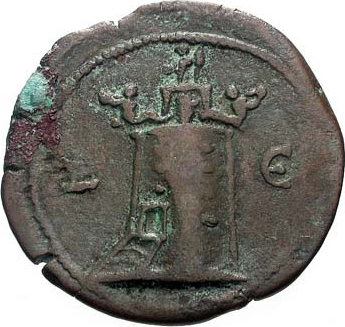
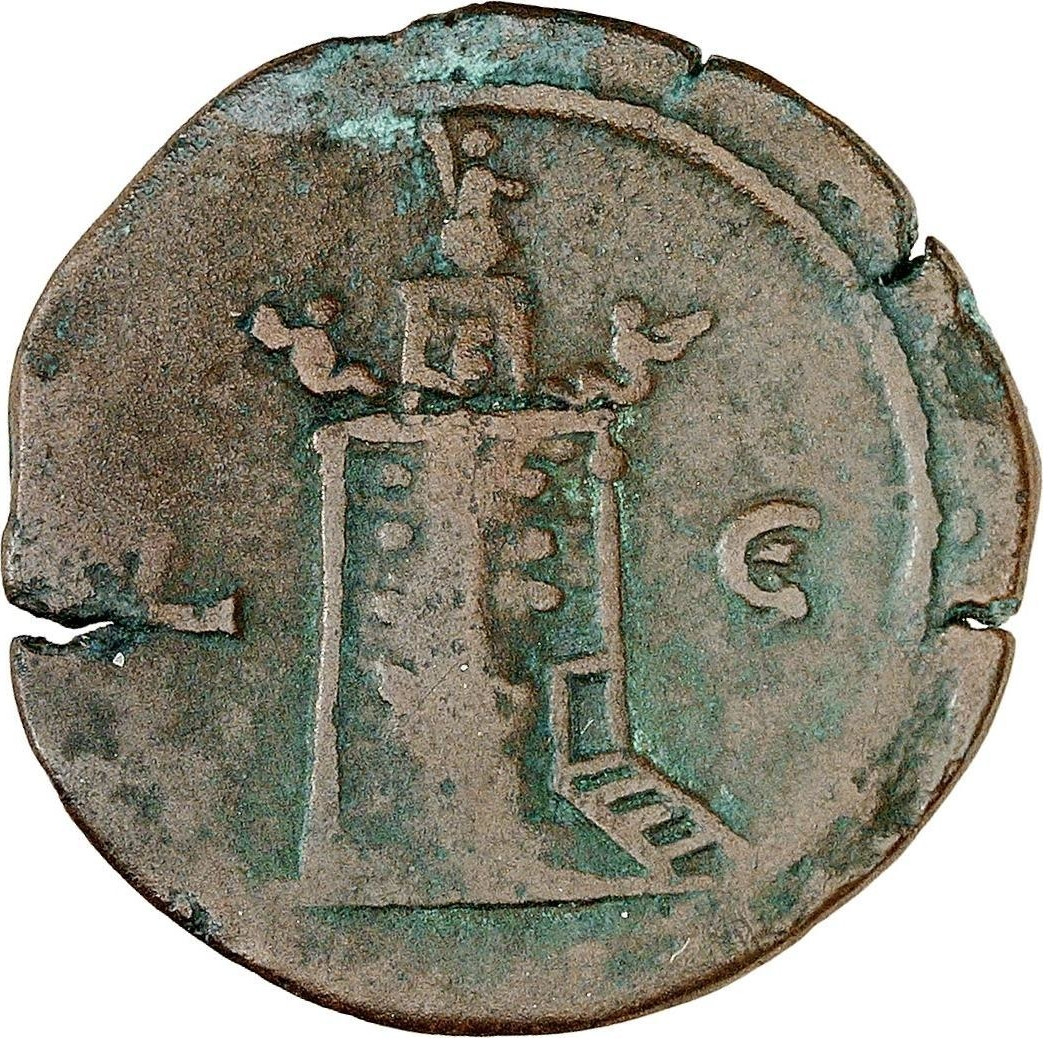
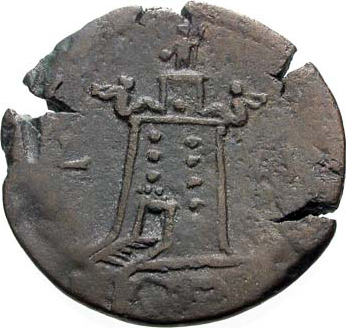
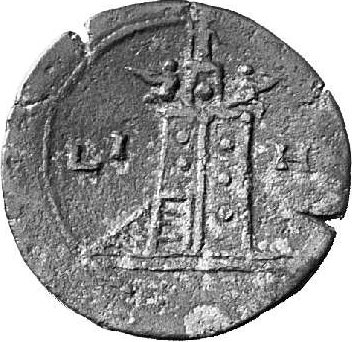
The first appearance of the Lighthouse’s image on the reverse of certain Alexandrian coin issues dates back to the reign of Emperor Domitian, in 91/2 CE. The Lighthouse is the main subject, and the engravers sought to capture its essence by highlighting its monumental structure. Their attention focused on the representation of its structural elements, namely its base, its access ramp, the first and imposing square section surmounted by a cornice, the statues of marine tritons blowing into conches at the corners, the second polygonal level, the third level (absent or reduced to a dot beneath the summit statue), and the summit statue itself, standing and holding one or two attributes. This first representation marks the beginning of a long series of bronzes featuring the Lighthouse.
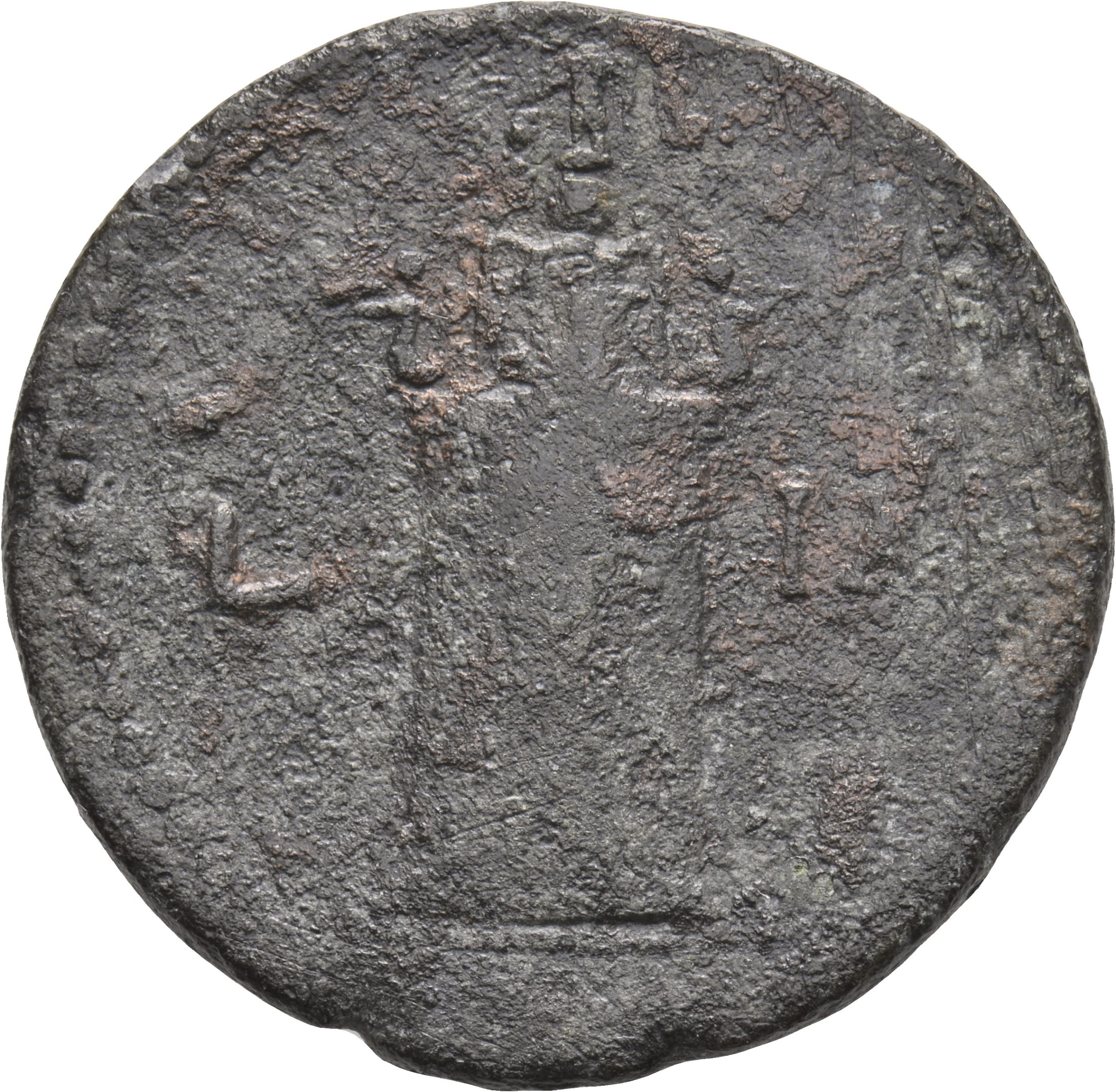
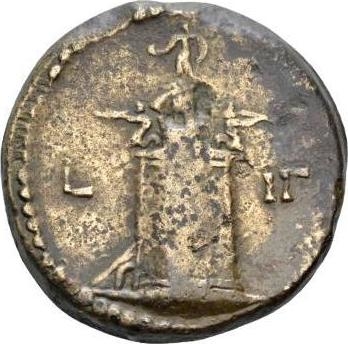
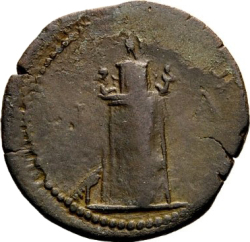
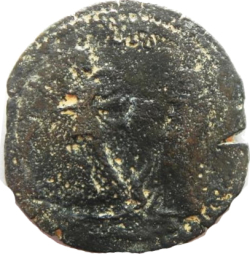
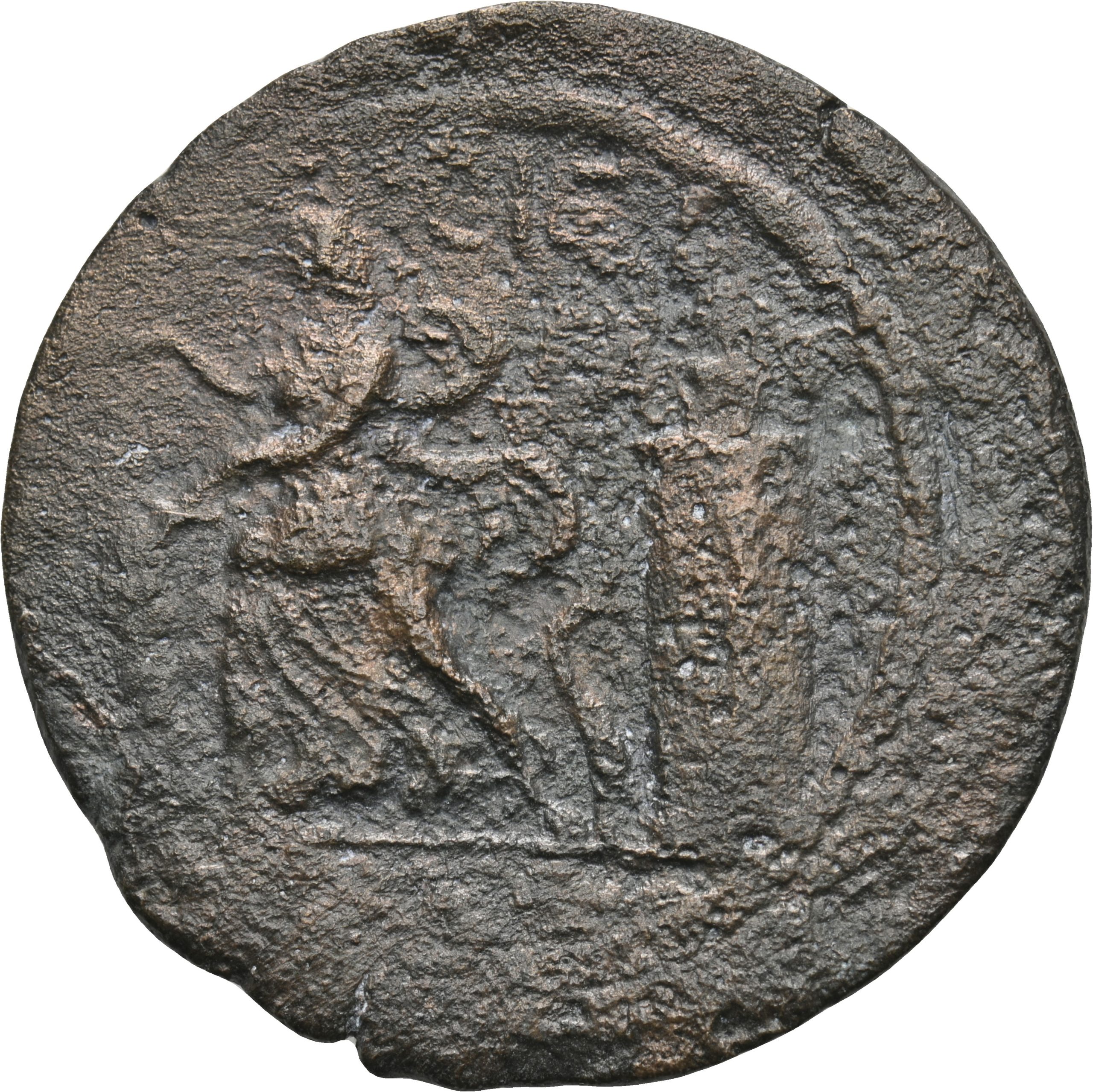
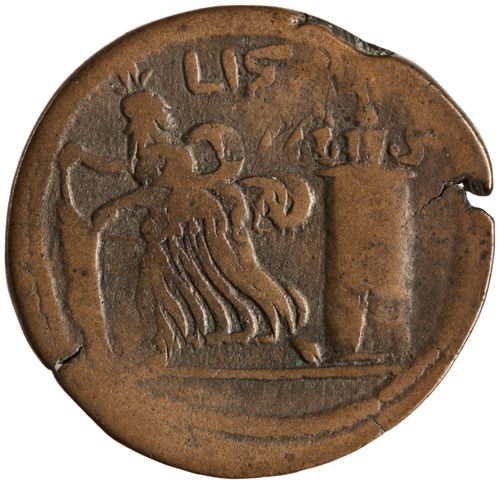
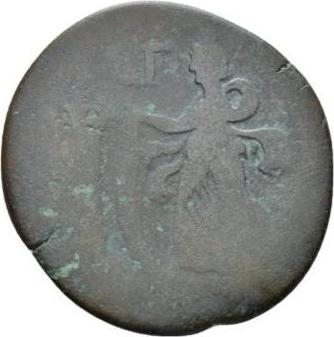
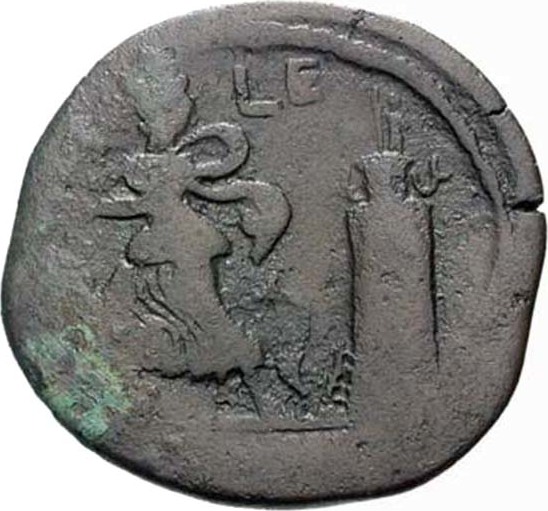
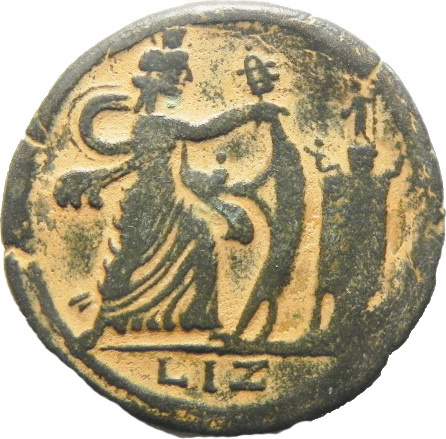
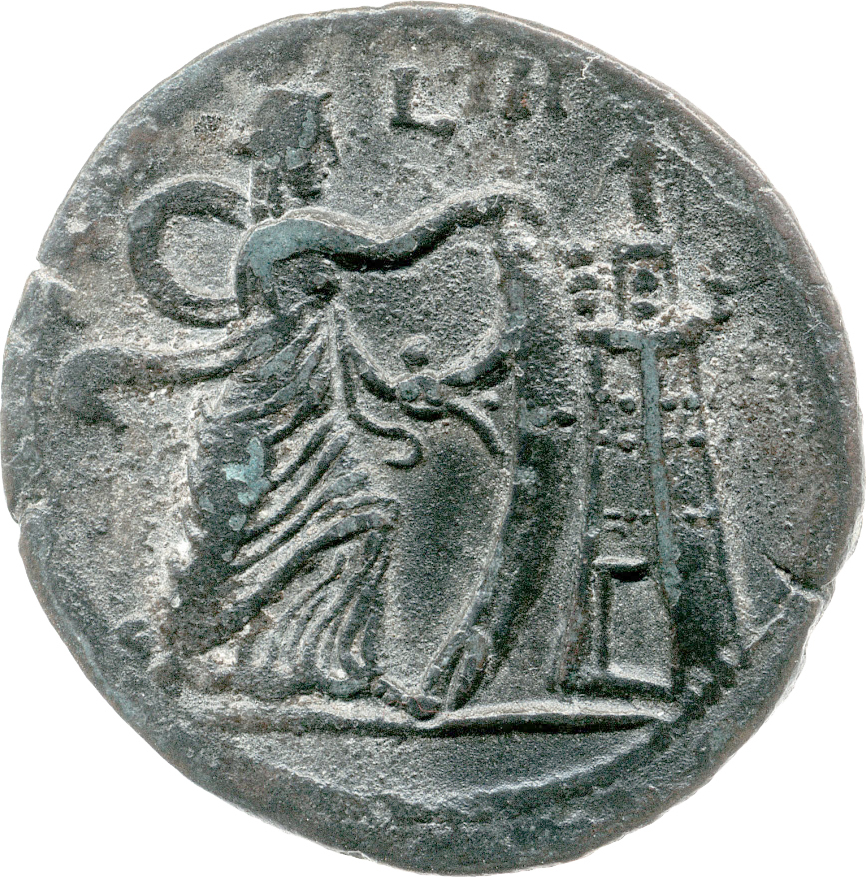
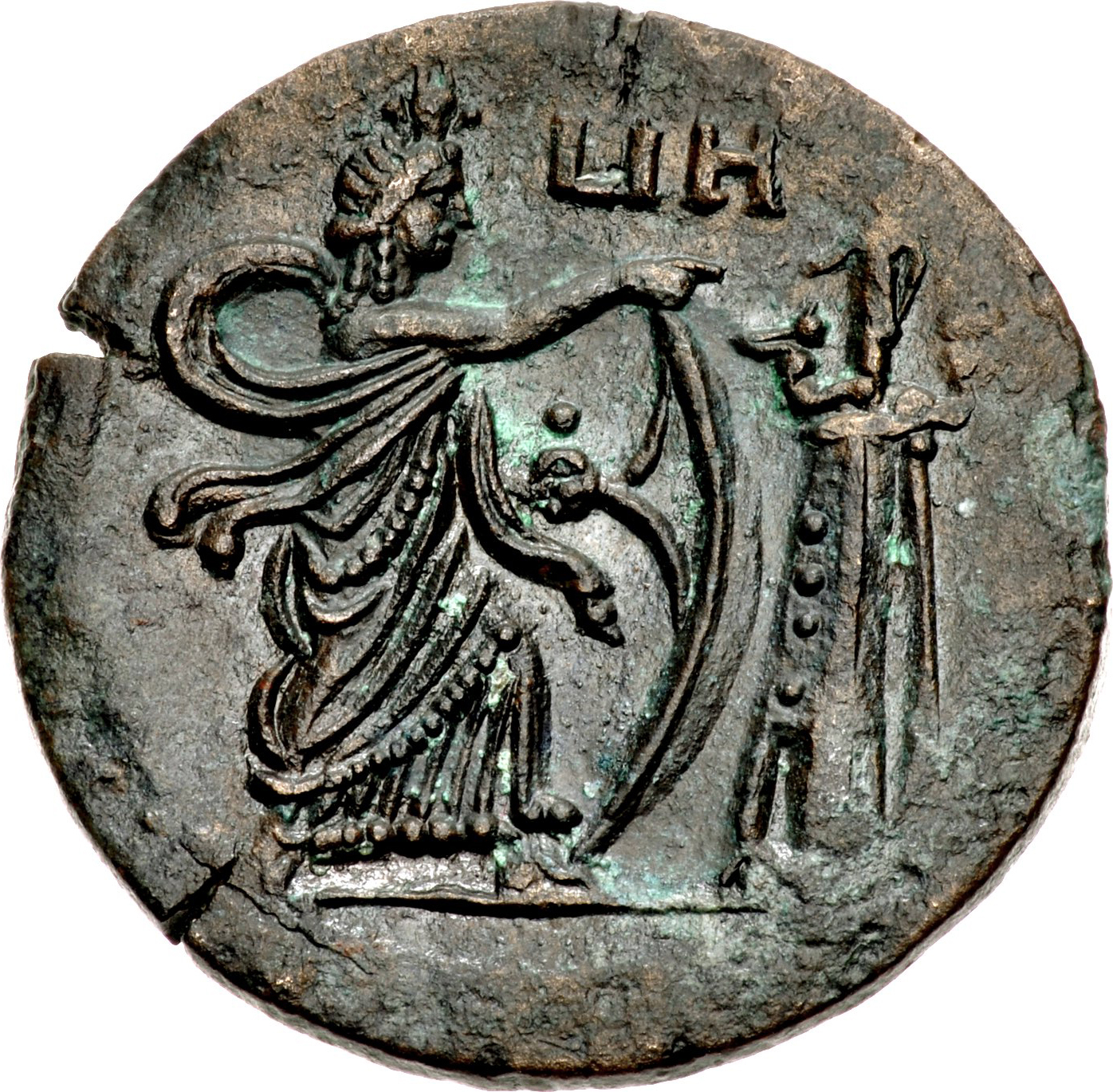
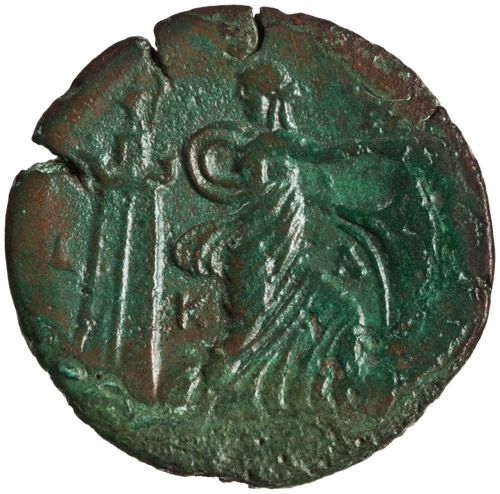
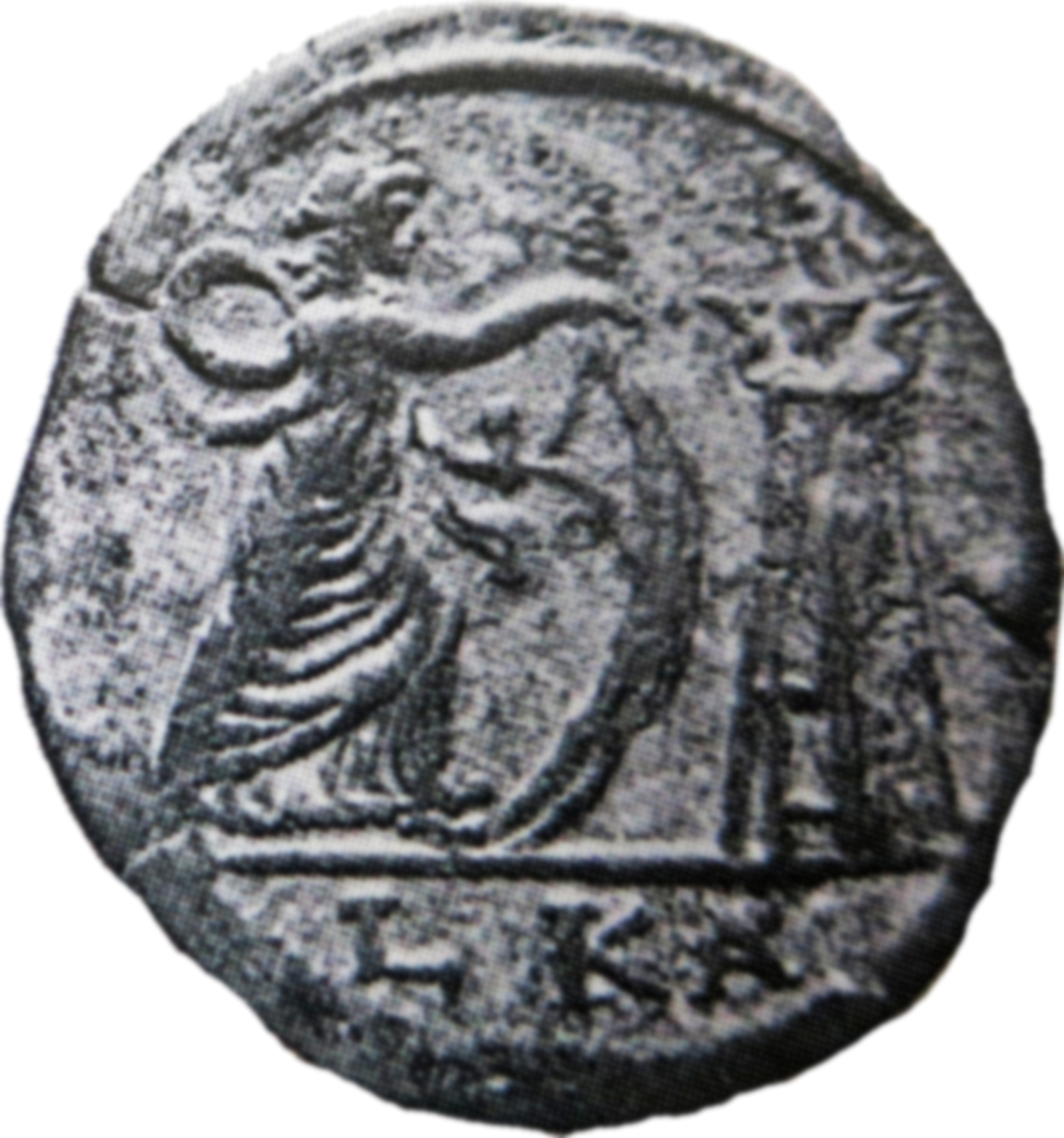
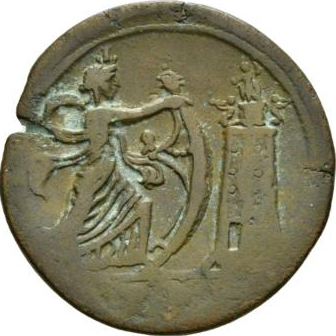
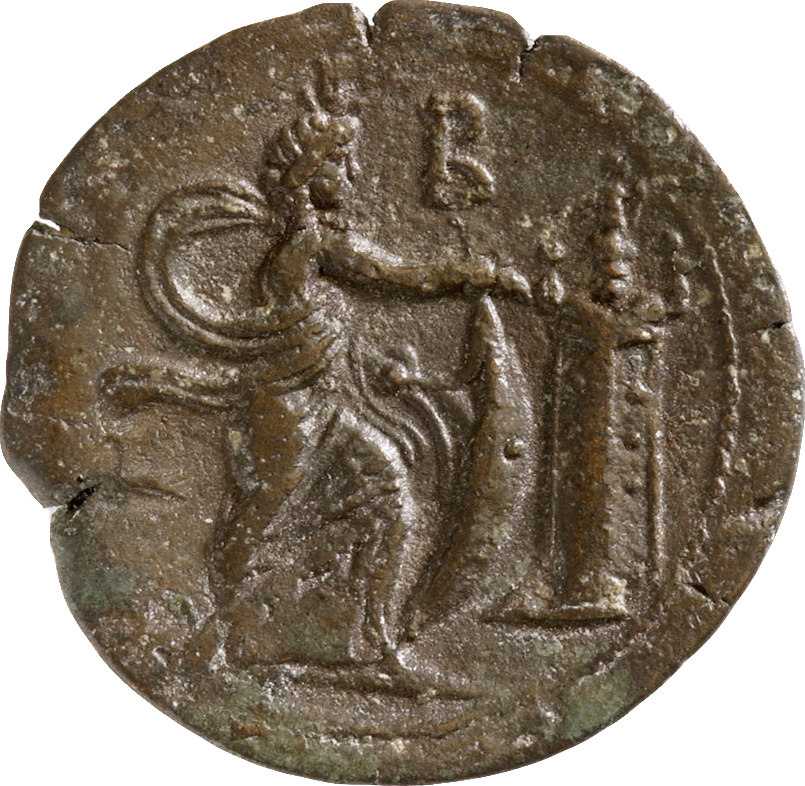
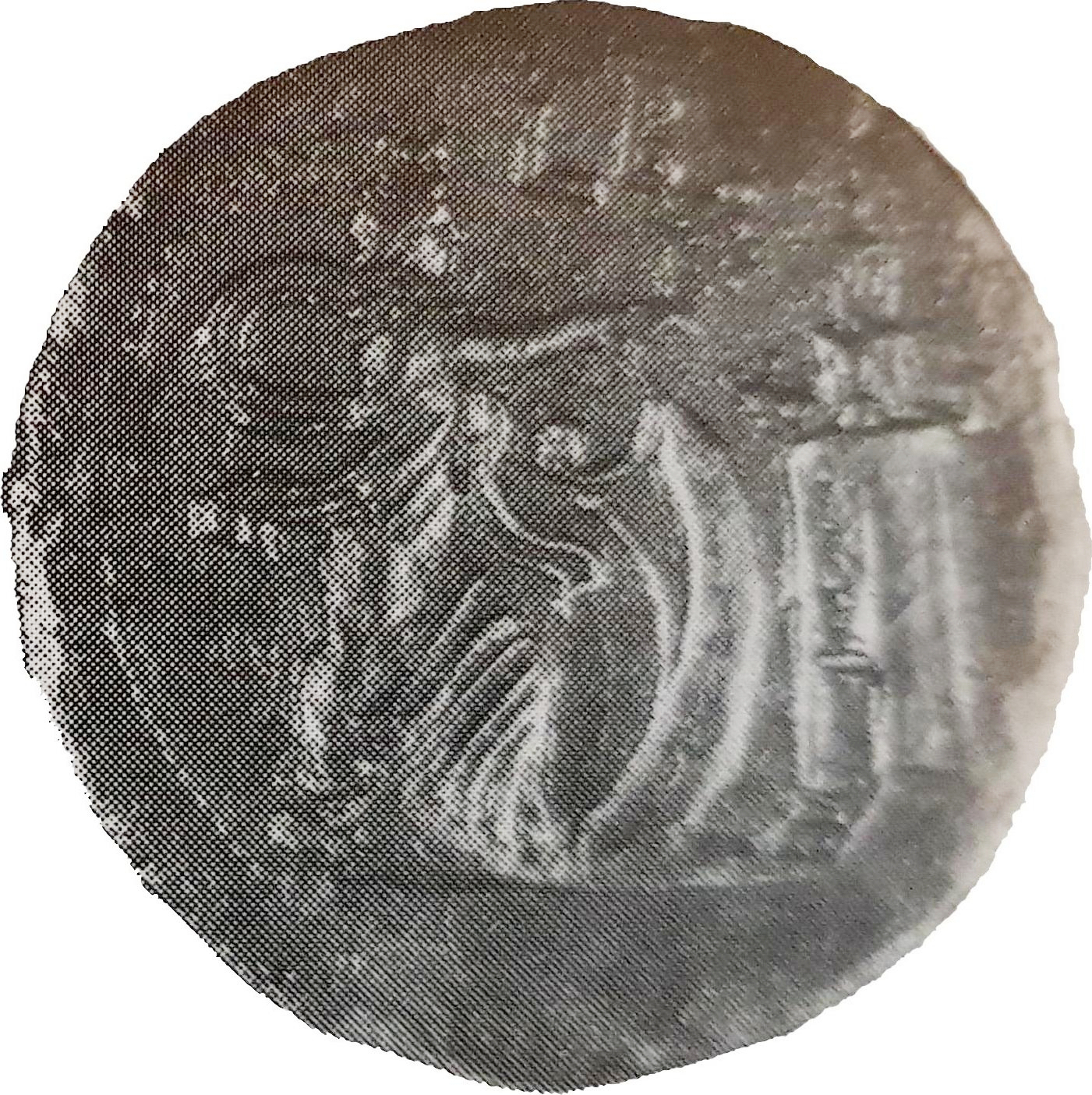
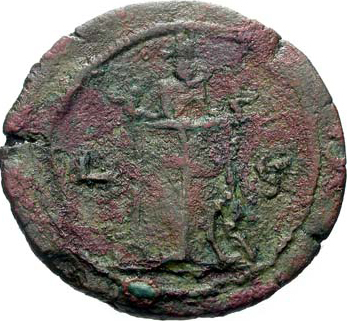
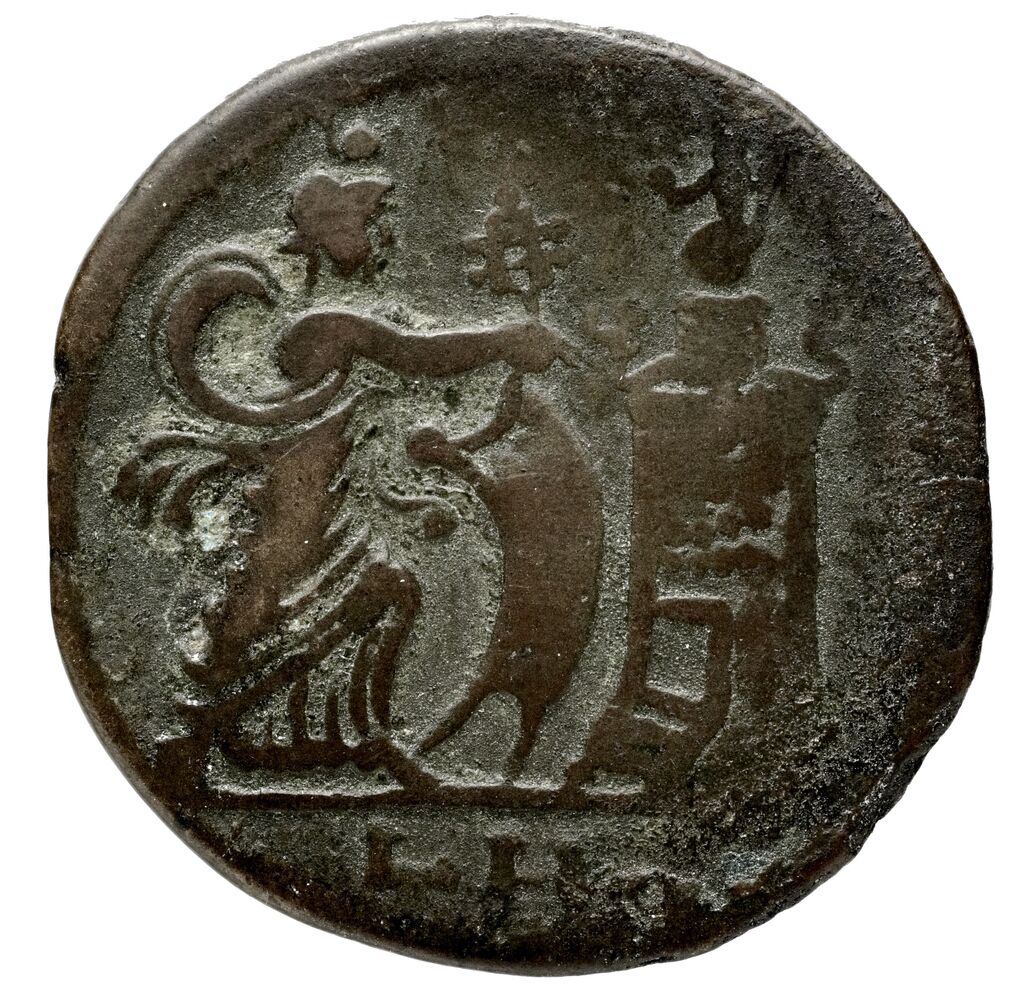
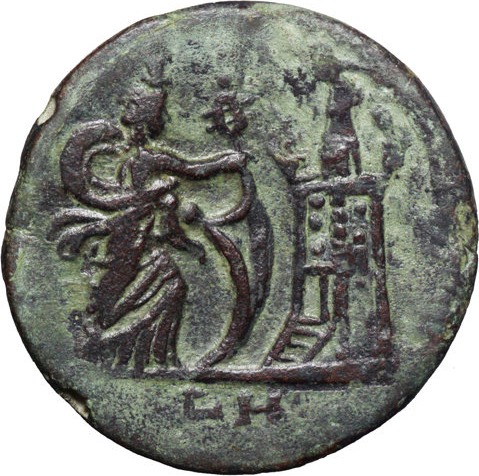
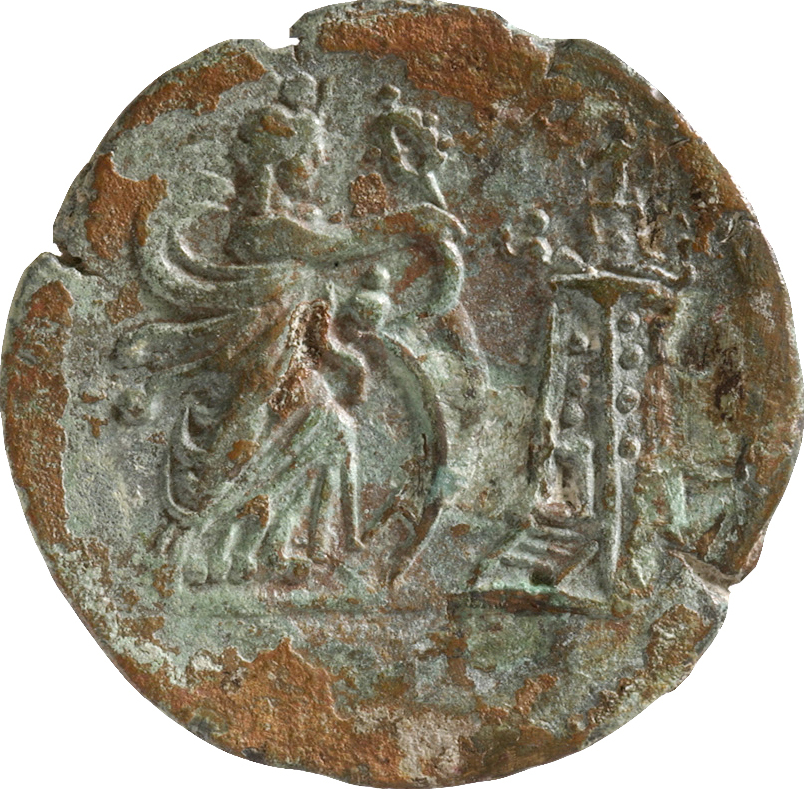
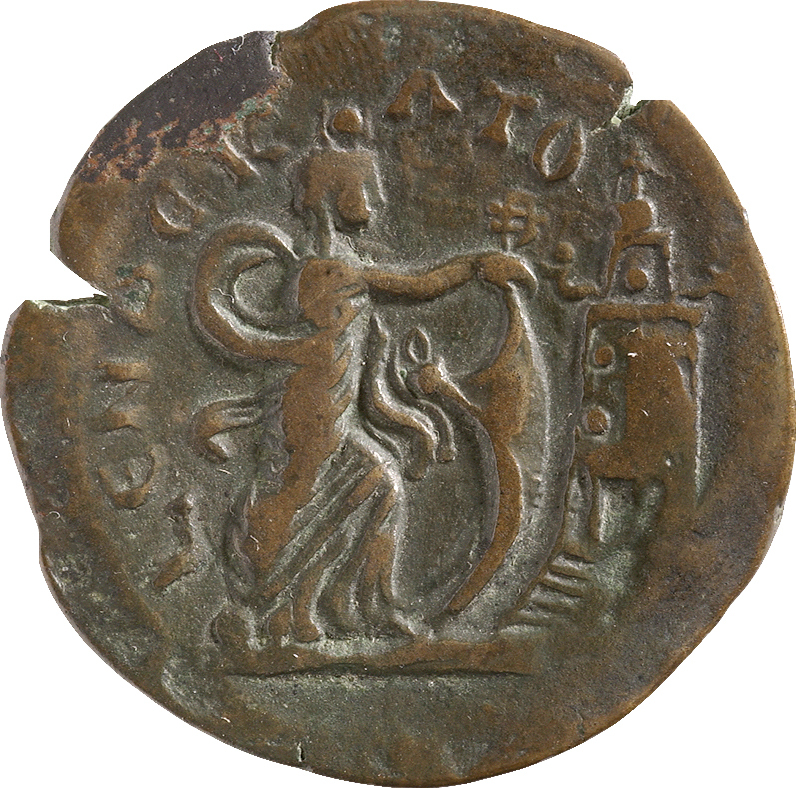
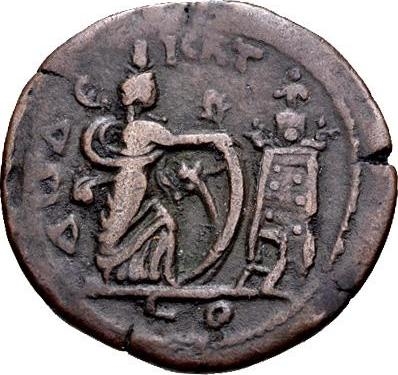
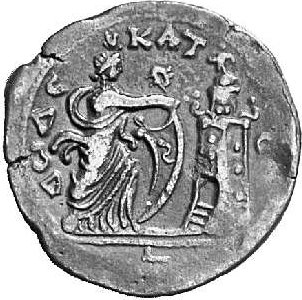
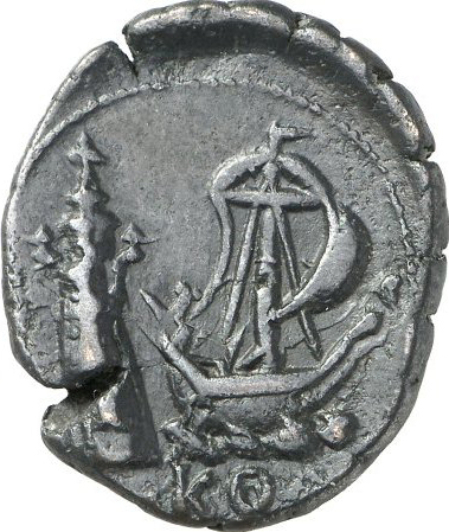
During the reign of Trajan, Domitian’s successor, a new variation was introduced. The lighthouse, in addition to being represented alone, is now associated with Isis Pharia, holding a sail. These two motifs were successively taken up by Hadrian, Antoninus Pius, and Marcus Aurelius. Commodus, the last Roman emperor to depict the Lighthouse—this time on billon tetradrachms issued in 188/9 CE—breaks with this iconographic tradition and places it in a maritime scene, associated with a merchant ship cleaving the waves.
| Emperor | Years of depiction on coins (any type, CE) | Types | ||
| Lighthouse alone | Isis Pharia and Lighthouse | Ship and Lighthouse | ||
| Domitian | From 91/2 (year 11) to 95/6 (year 15) | ✓ | ||
| Trajan | 107/8 (year 11), 110/1 (year 14) to 112/3 (year 16) | ✓ | ✓ | |
| Hadrian | Between 117/8 (year 2) and 136/7 (year 21), with hiatus | ✓ | ✓ | |
| Antoninus Pius | Between 138/9 (year 2) and 154/3 (year 18), with hiatus | ✓ | ✓ | |
| Marcus Aurelius | In 162/3 (year 3), 163/4, 165/6 and 175/6 (year 16) | ✓ | ✓ | |
| Commodus | In 188/9 (year 29) | ✓ | ||
Figure 2. Type(s) au Phare en usage par empereurFigure 2. Type(s) au Phare en usage par empereur
Correlation with the Texts
It is indeed this notion of monumentality that emerges as much from ancient texts, both Greek and Latin, as from the monetary imagery. The structure, which rises over several stories, as indicated by Strabo, certainly appears as a lofty tower of remarkable construction. With the exception of the famous fire that guided sailors, the coins might depict the few architectural or ornamental elements mentioned by ancient authors.
Could the two dotted lines located on a lateral face, at the same level as the lintel of the main door, refer to the commemorative inscription mentioned by Pliny the Elder?
Was the statue that of a Zeus Soter (Savior) as might be suggested by epigram 115 of Posidippus, who resided in Alexandria during the time of Ptolemy II Philadelphus? Although the coins do not allow us to settle the matter—especially since it is unknown whether the summit statue was the same in the 3rd century BCE and the late 1st to mid-2nd century CE—they at least offer us an idea of its appearance at the beginning of the Roman period: a standing male figure, slightly in contrapposto, one arm bent holding a staff with an unidentifiable end, the other arm outstretched with a hand presenting an attribute.
The Engraving
The city’s engravers, who had to miniaturize the building onto a die, sought to represent the elements of the Lighthouse that seemed to them the most striking and essential for the depiction of the monument, while taking into account the technical constraints of the exercise: a matrix of about 25 to 35 mm in diameter to be engraved in intaglio and in reverse. Beyond simple architectural observation, various parameters must be considered in the analysis. The space occupied by the lighthouse on the coin (namely whether it stands alone or is part of a composition, associated with Isis Pharia or a ship)—and therefore the space available for its engraving—as well as the potential desire for a perspective rendering, have an impact on its depiction.
| Lighthouse alone | Isis Pharia and Lighthouse | Ship and Lighthouse |
| 29,6 % | 56,9 % | 13,5 % |
Figure 3. Percentage of recorded coins by type
Since the mint could call upon several engravers, the different hands at work could sometimes, within the same year, introduce differences in the representation of the monument. Stylistic choices and their evolutions over time and across reigns must be considered, as well as what stems from a direct observation of the Lighthouse versus the copying of earlier coins.
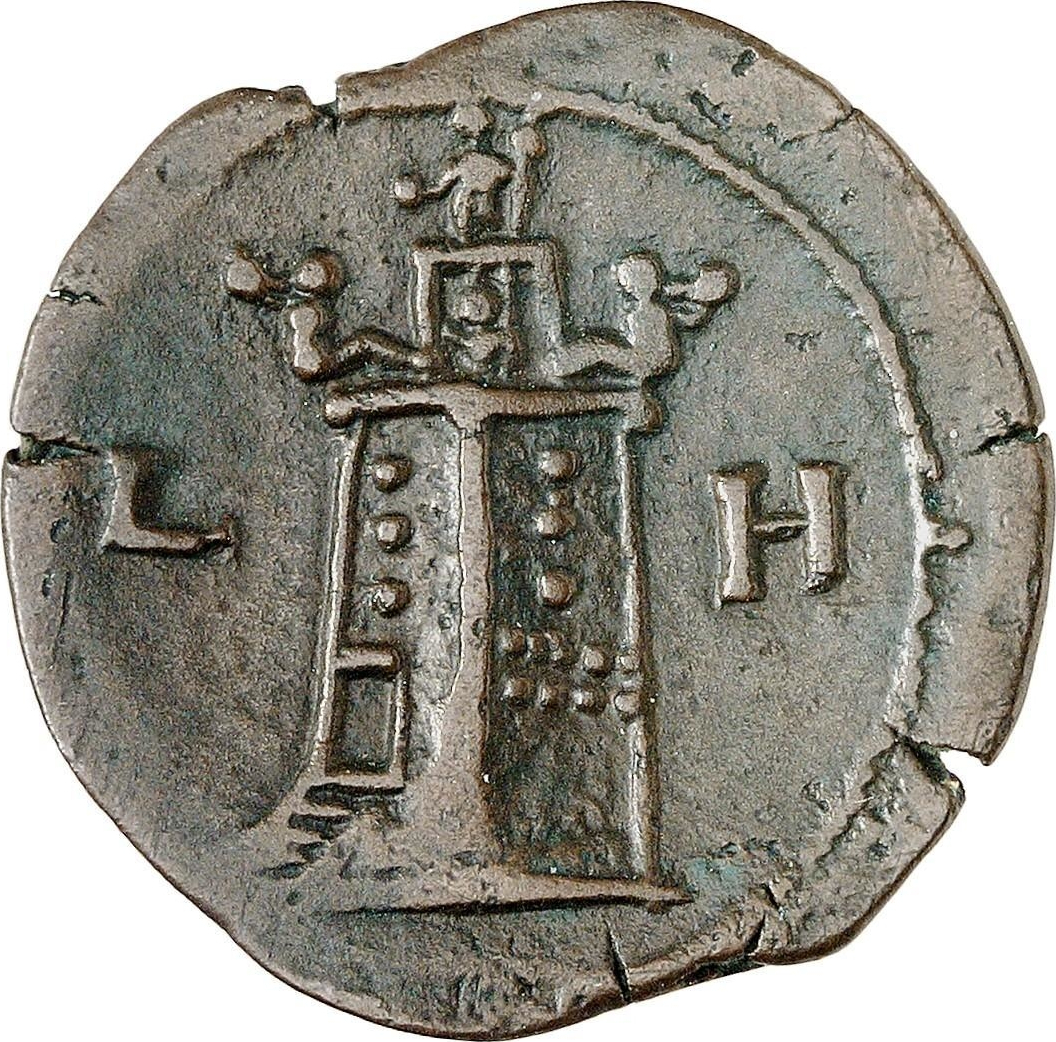
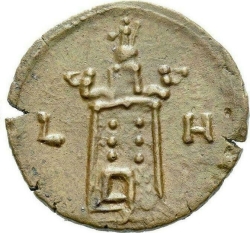
Figure 3. Antonin le Pieux, 144/5 (© Künker 347, 22.03.2021, lot 196 ; Naville Numismatics 85, 19.11.2023, lot 318)
Corpus and Study
A representative corpus of a thousand coins, of which more than 80% are illustrated, forms the foundation of this study. A collaboration with the Oxford team of the Roman Provincial Coinage (RPC), a typological catalog with an online portal, was established (our thanks to Jérôme Mairat and Christopher Howgego). Full access to the data already present on the platform was provided in exchange for its enrichment.
The elements represented on each specimen and their arrangement have been identified in order to establish a record of the different modes, or styles, of representing the lighthouse and its elements, which will serve as a basis for the BIM work. These groupings are made taking into account the following elements and their relative positions:
- General description: ground line, presence or absence of a base, presence or absence of an external ramp, number of levels represented, etc.
- Ramp (if represented): number of steps, possible presence of arcades, etc.
- First level: plan, walls (straight or sloped), door (proportion, lintel, etc.), “windows” (vertical or horizontal alignment, number, position, etc.), parapet, etc.
- Tritons: number, orientation, blowing or at rest, single or double tail, etc.
- Second level: plan, proportions, parapet, etc.
- Third level: if represented.
- Summit statue: possible presence of a base, general position of the statue, its feet, its arms, attributes, etc.
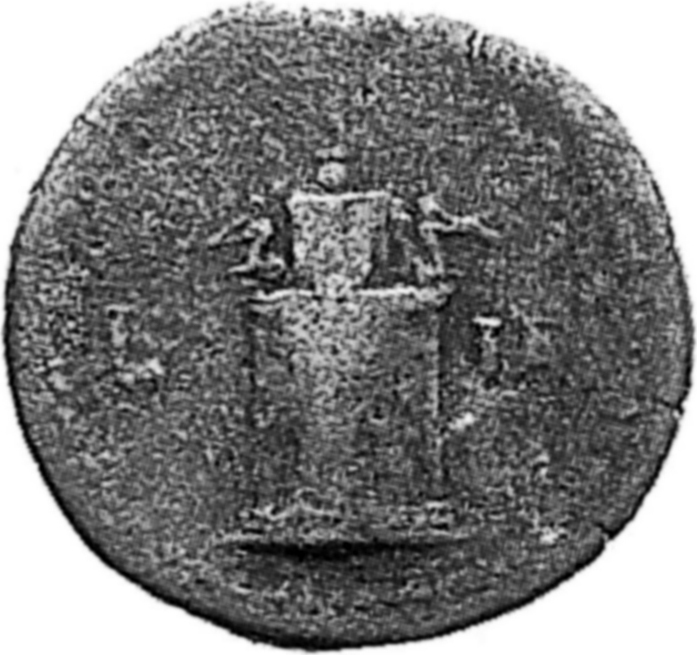
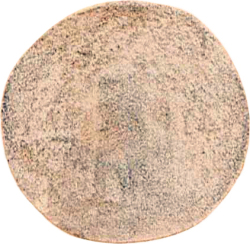
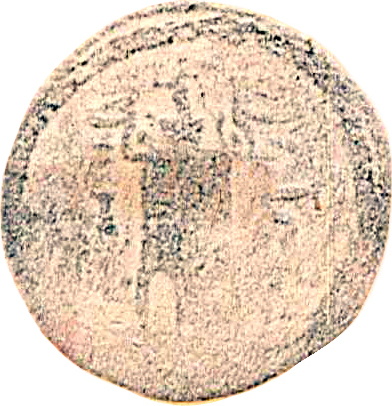
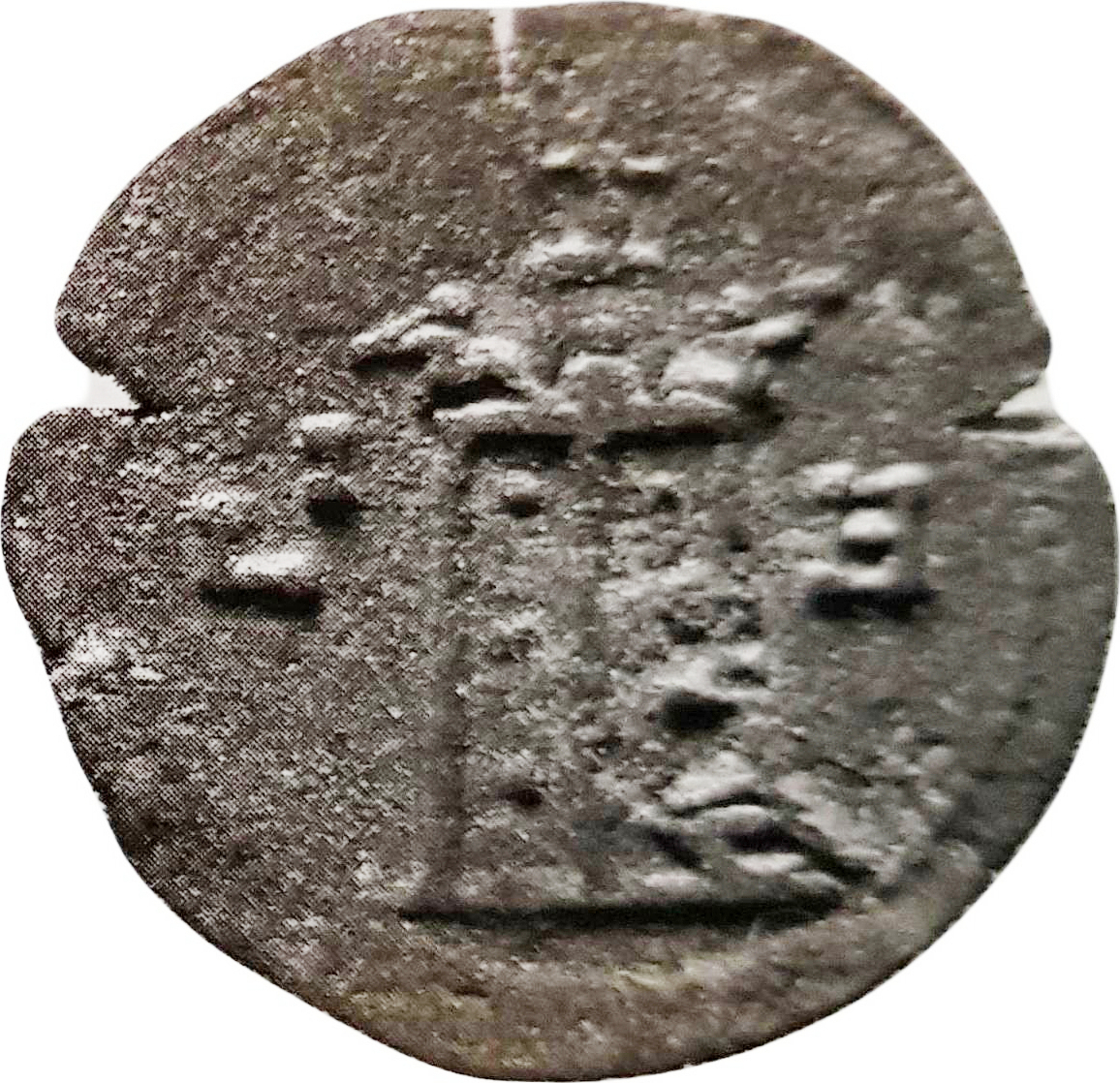
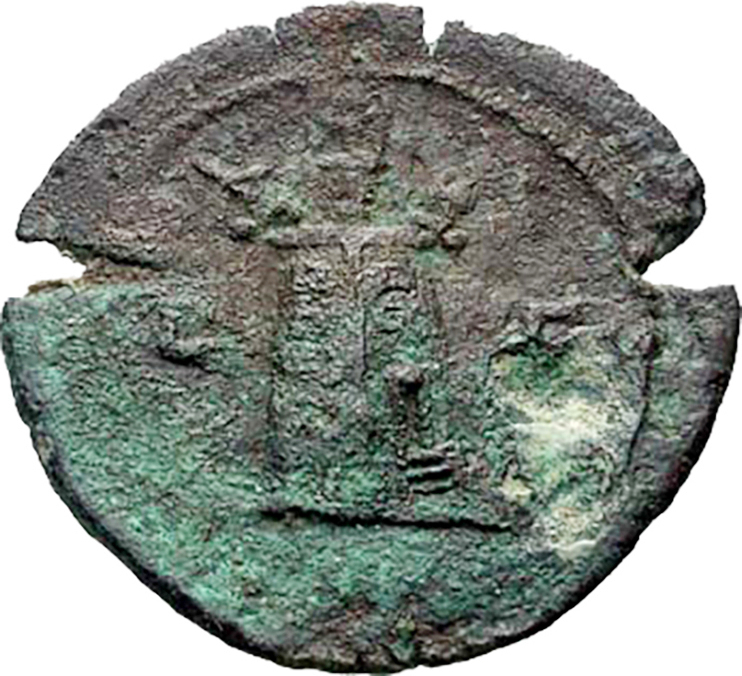
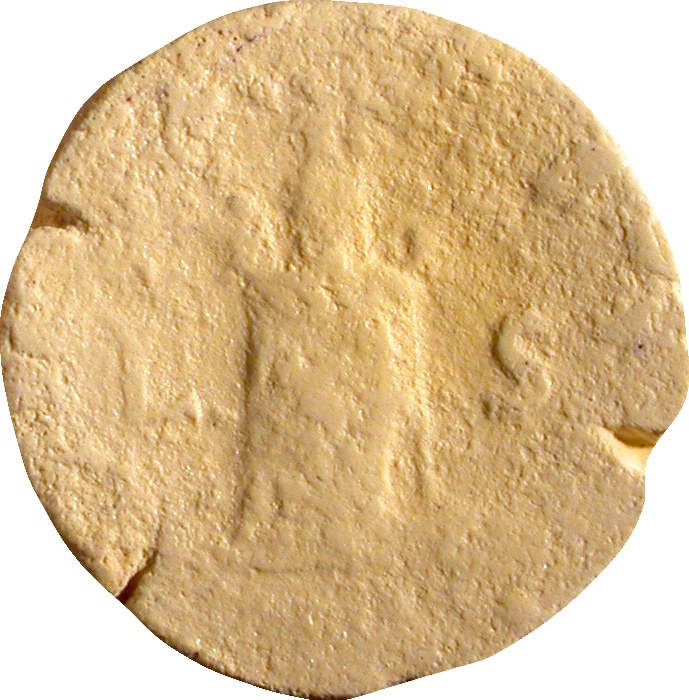
The coins depicted below provide an overview of the different varieties struck by each emperor and allow direct access, via a simple click, to their online catalog entry.
Domitien
Trajan
Hadrien
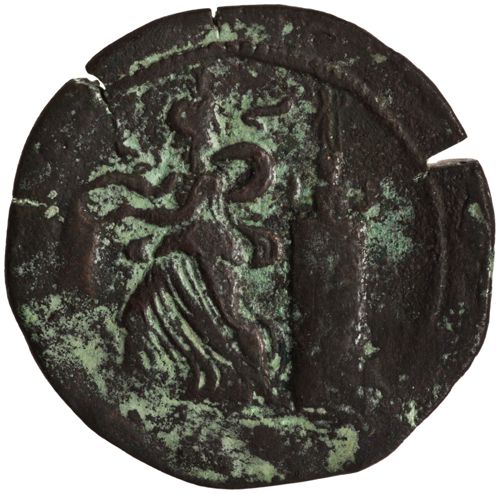
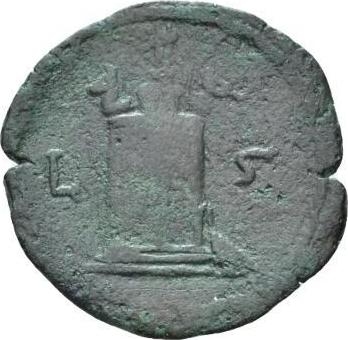
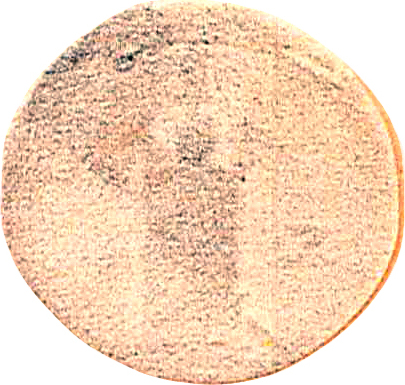
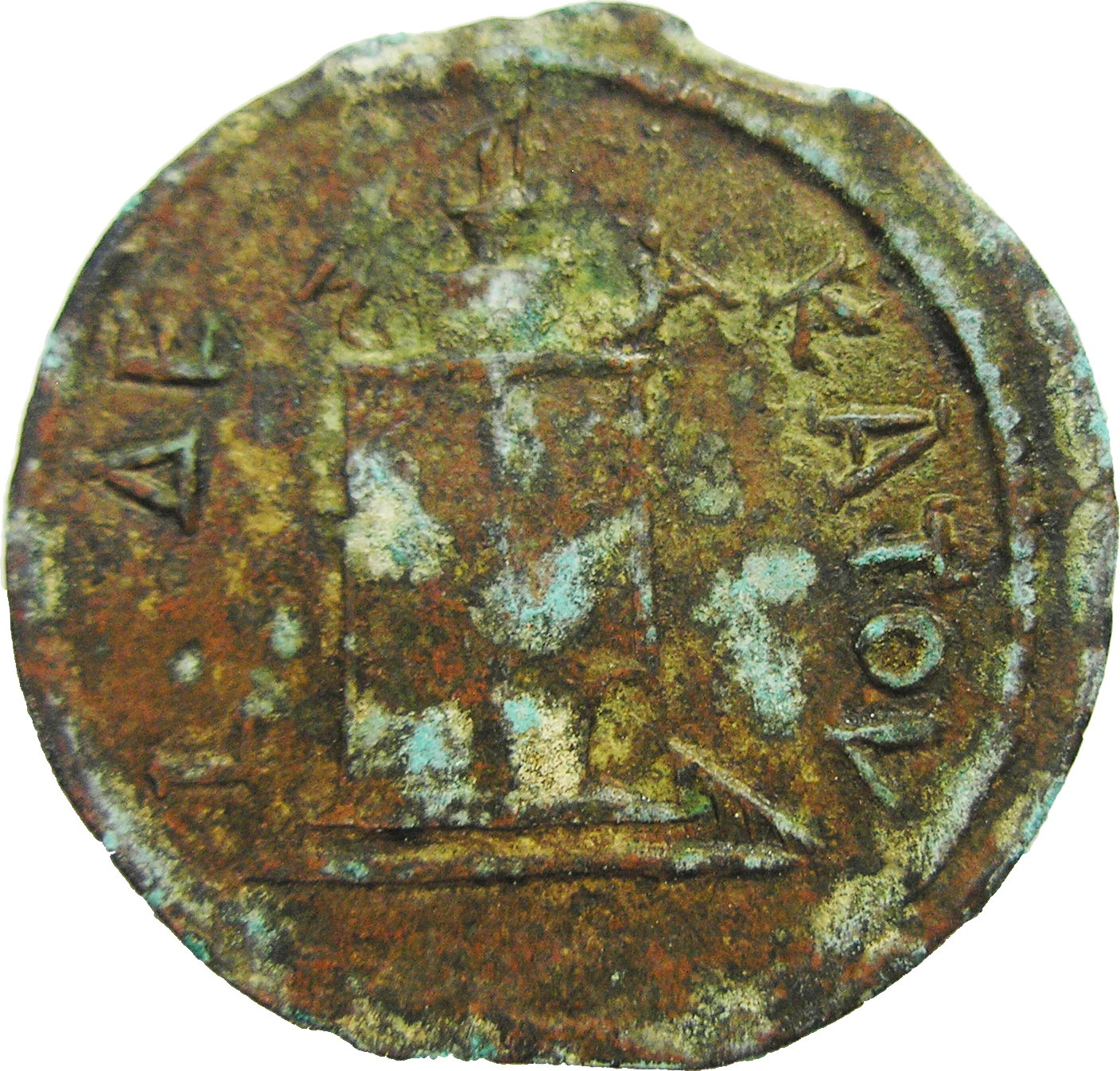
Antonin le Pieux
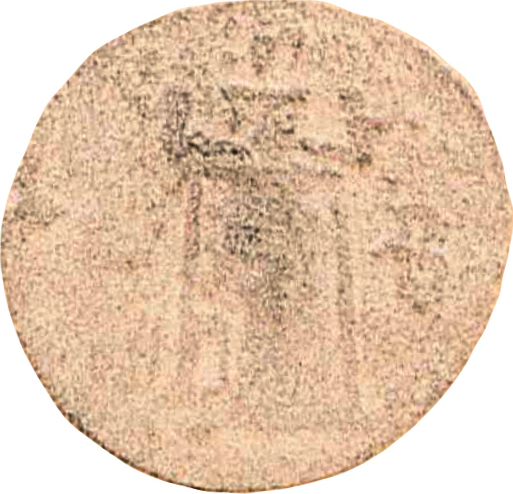
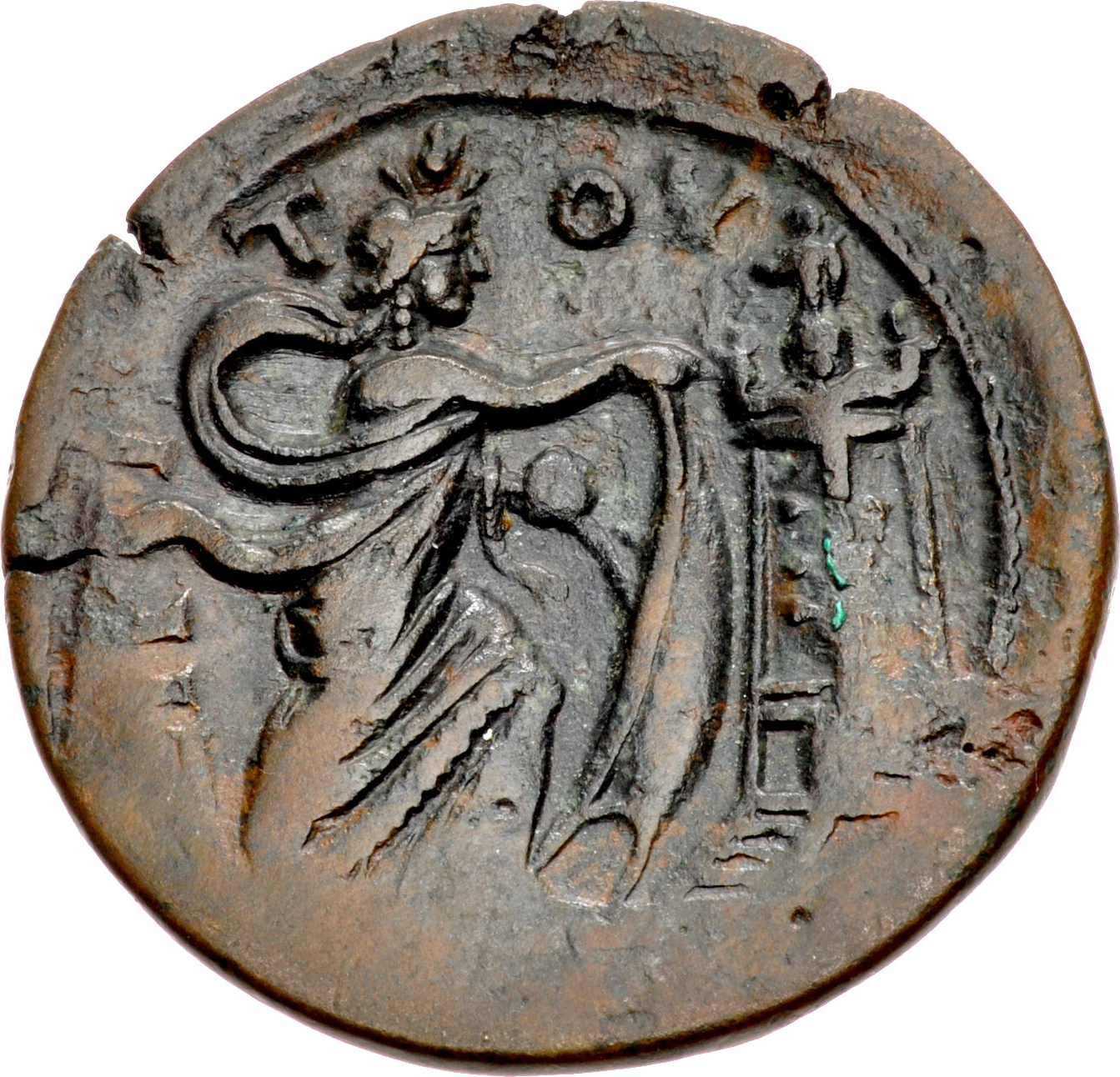
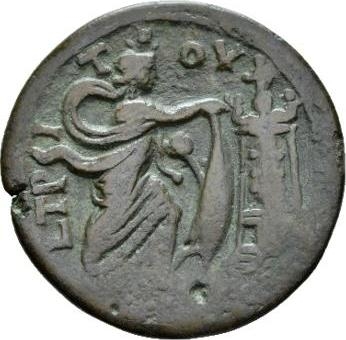
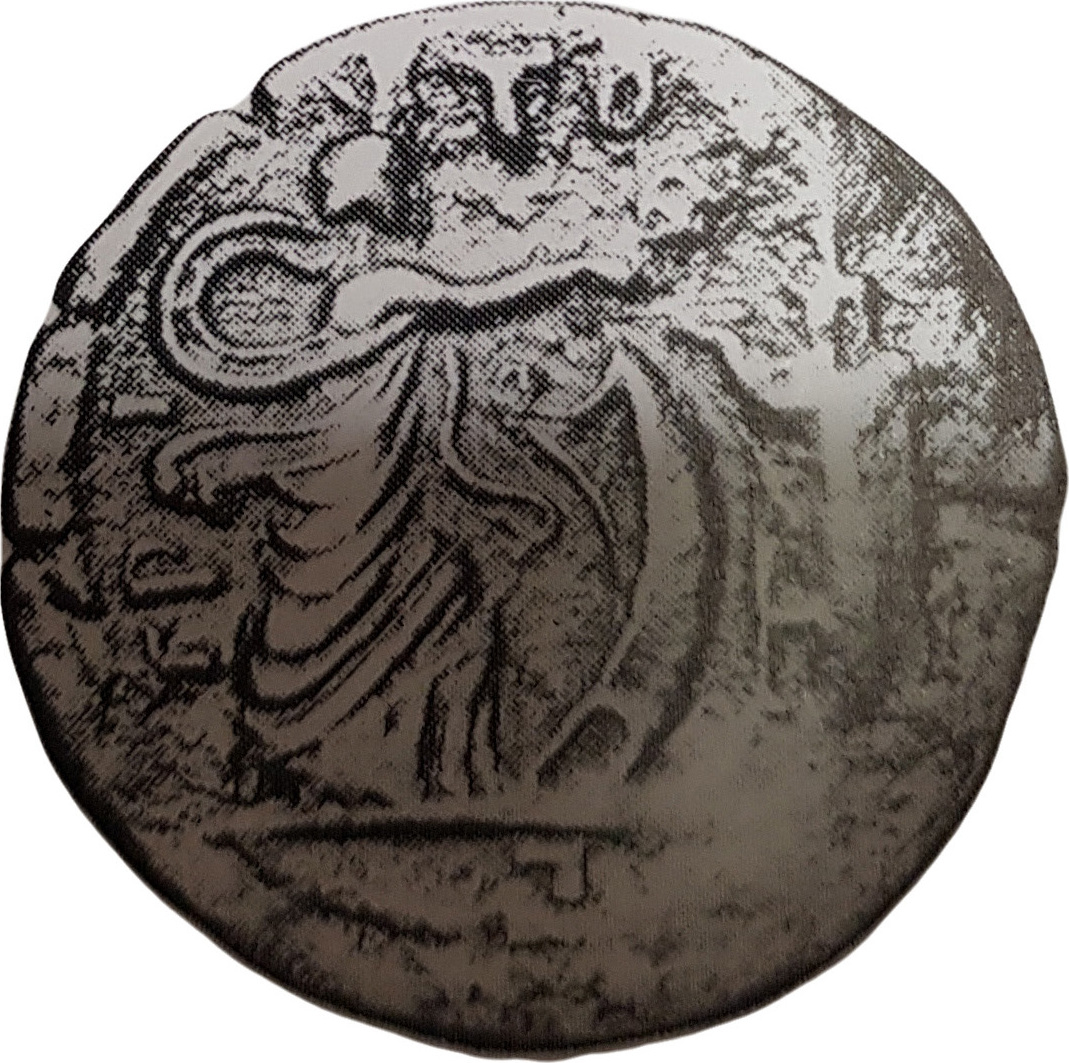
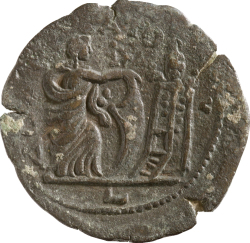
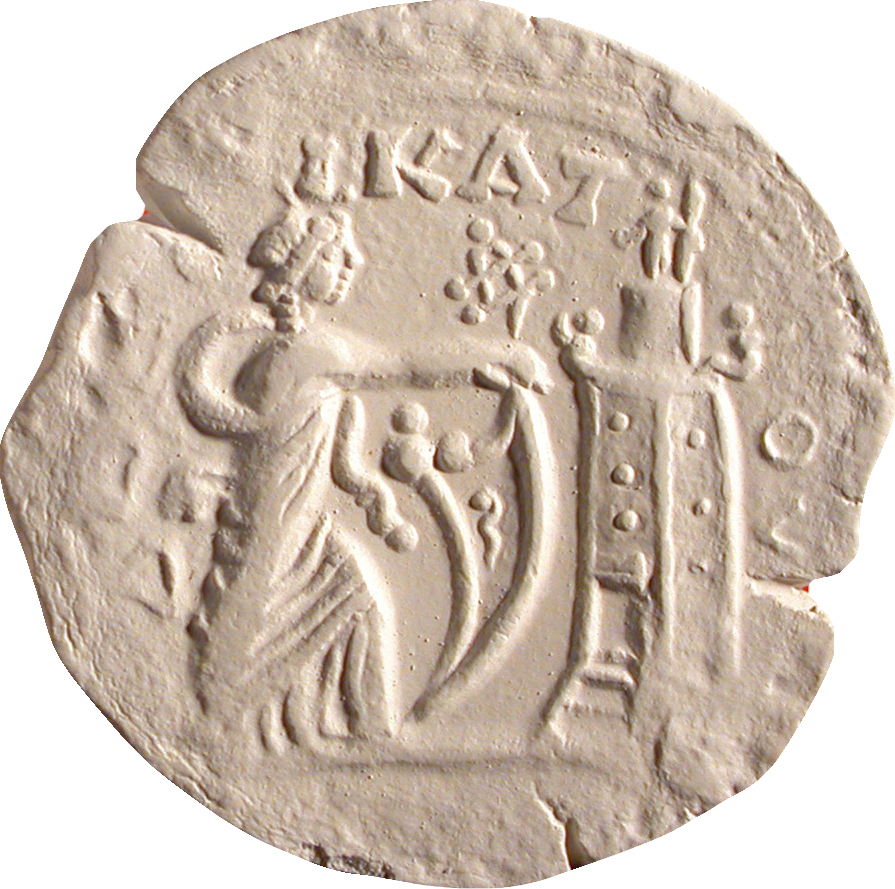
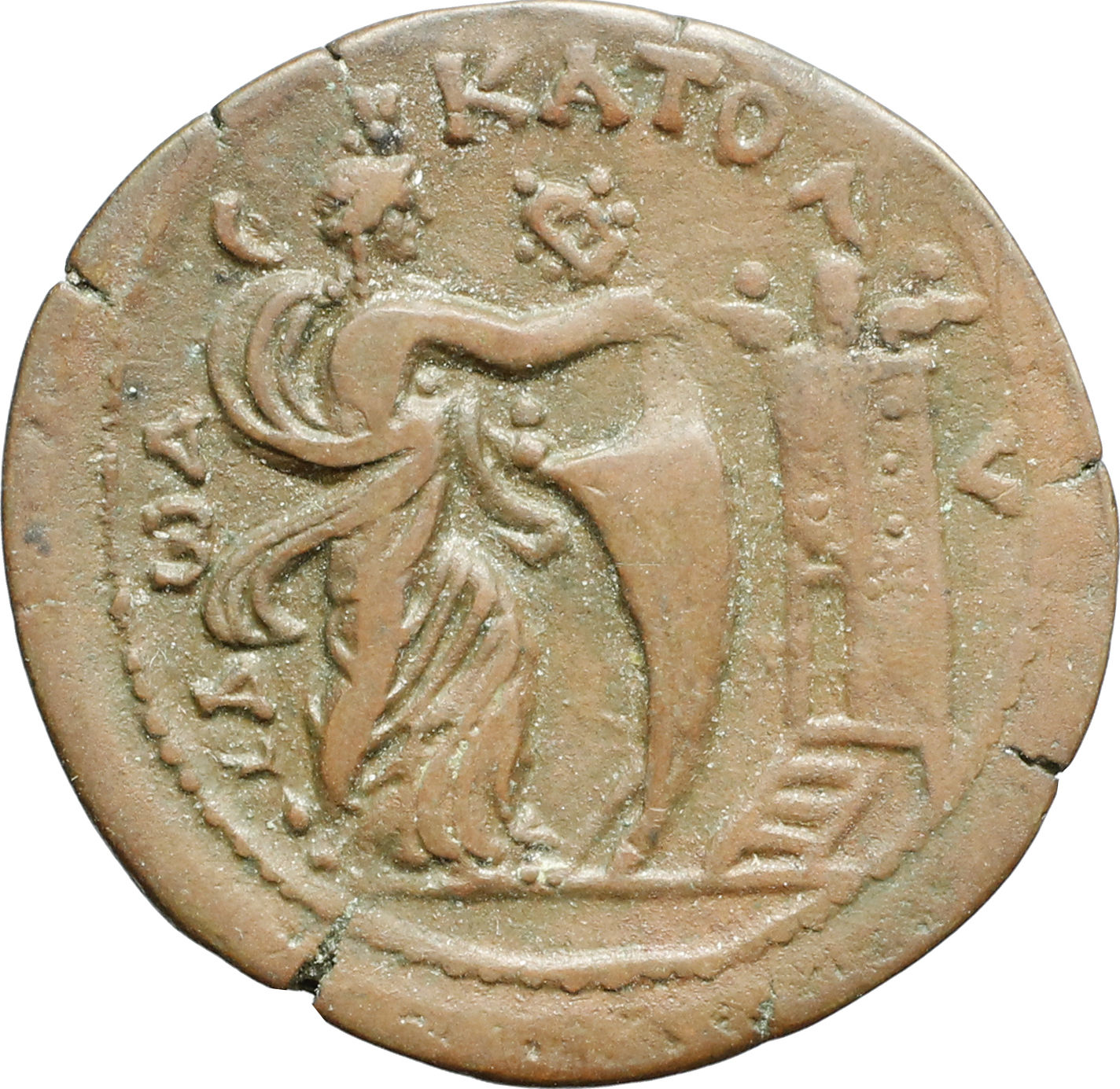
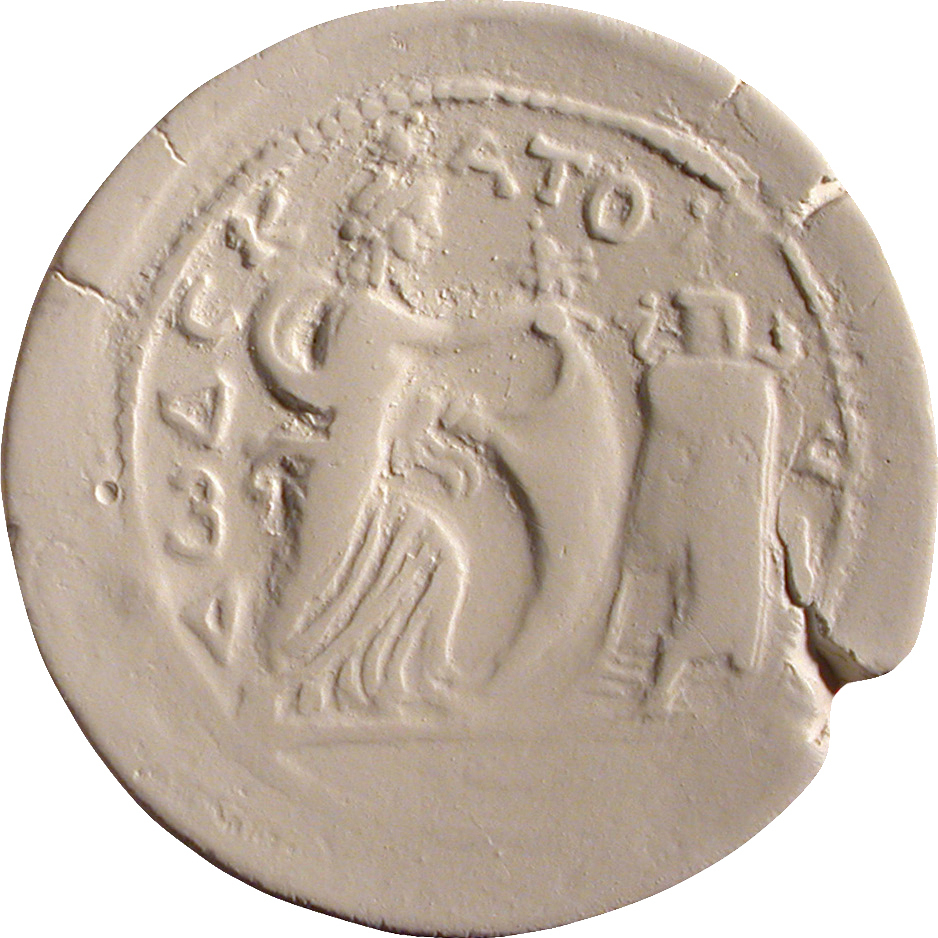
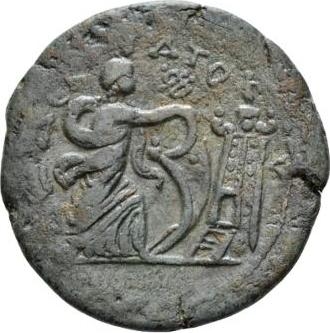
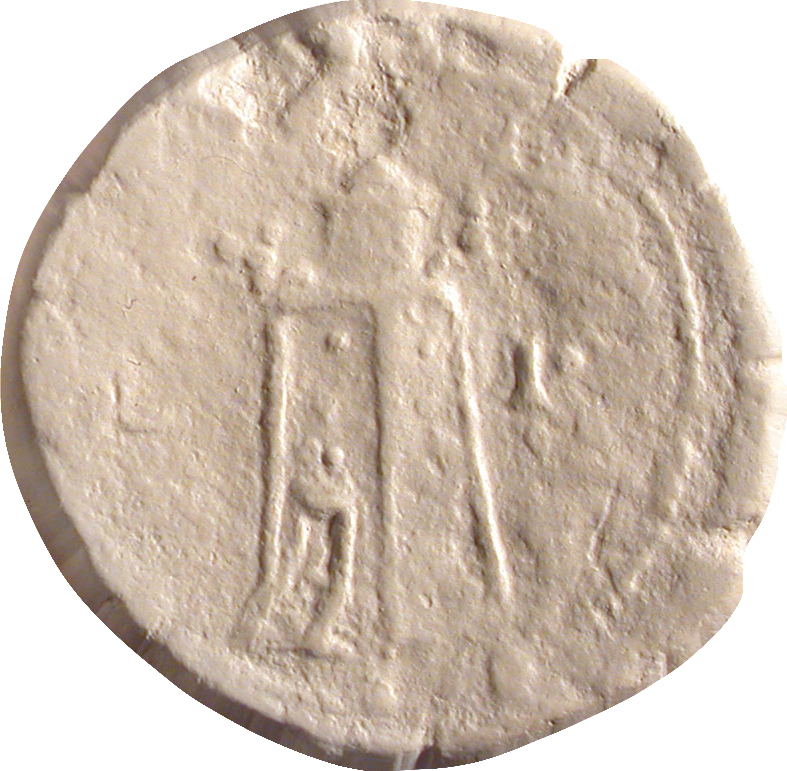
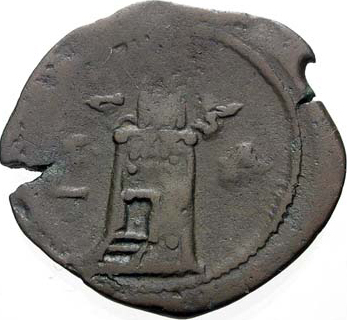
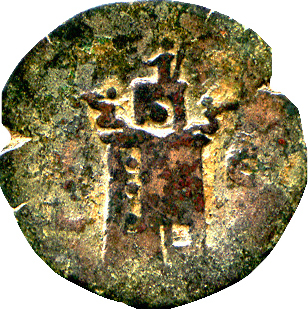
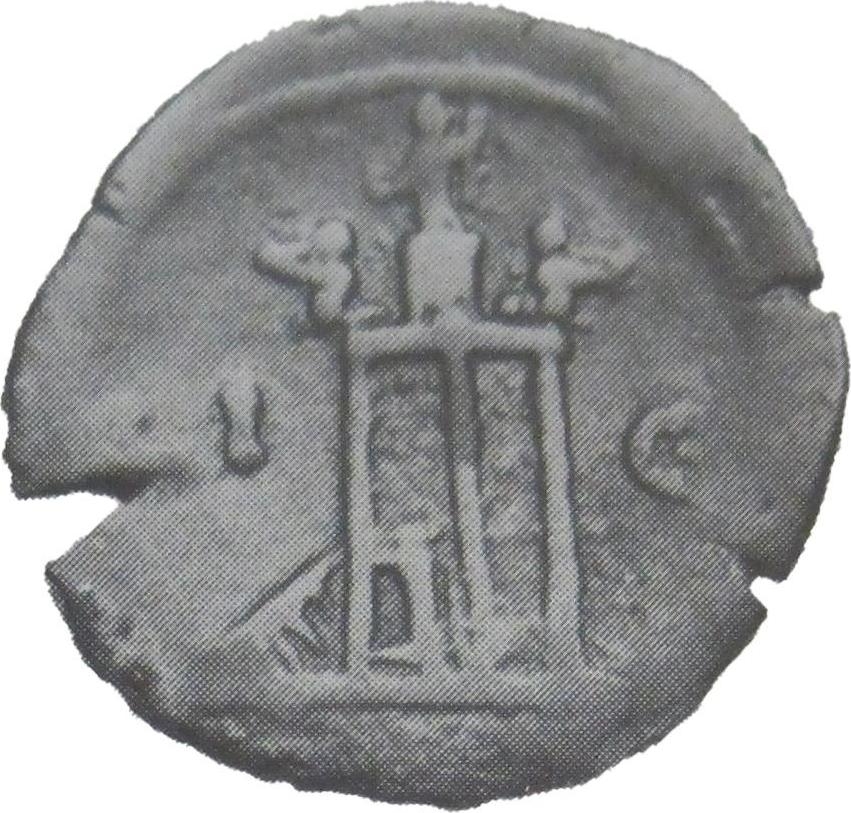
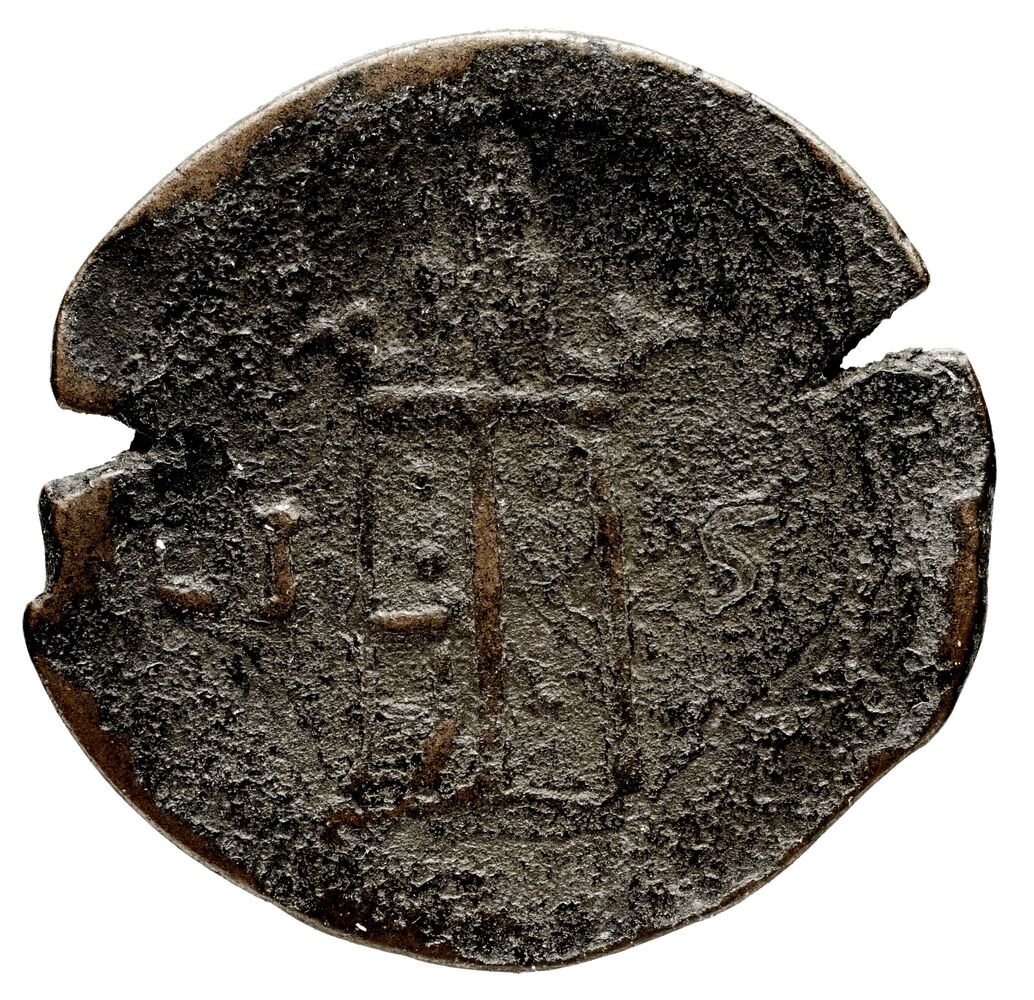
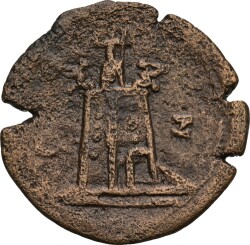
Marc Aurèle
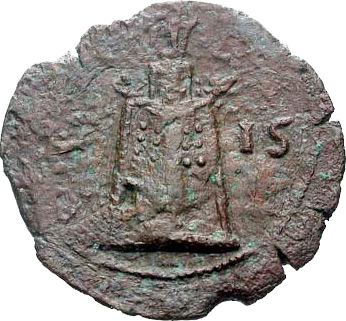
Commode
Le CEAlex vous propose de citer cette page de la manière suivante :
Héloïse Aumaître, « Le phare d’Alexandrie : Les Monnaies », Projet Pharos du CEAlex, consulté le 8 October 2026 à l’adresse
https://pharos.cealex.org/ressources-documentaires/les-images/les-monnaies/